Loading transcript...
Click for full transcript
Chapters & Sections (141)
▼
00:00
Host Greeting and Dog Training Segment
00:31
Dog Comfort Setup Discussion
01:01
Hydration and Dog Care Tips
01:35
Podcast Concept Introduction
02:07
Guest's Podcast History and Guests
03:14
Video vs Audio Distribution Discussion
04:18
Improv Sketch Concept in Podcast
06:35
Groundlings Background and Character Stories
07:40
Groundlings Character Development and Audience Interaction
09:16
SNL Tenure and Character Count Discussion
09:51
Cast Member Collaborations with Growlings
10:24
Friendship Dynamics Among SNL Alumni
10:57
Unrealized Sketch Talent and Casting Decisions
11:28
Importance of Writing in Sketch Comedy
11:59
Character Energy and Backward Writing Process
13:06
Physicality in Improvisation Exercises
13:37
Injury and Physical Decline Impact on Performance
14:07
Energy Shift with Age and Humor Evolution
15:15
Grounded Improvisation and Skill Development
15:50
Standup Comedy Style and Venue Experiences
16:20
Character-Based vs. Personal Standup Approach
17:29
Defining the Comfort Voice
18:00
Intent Behind the Persona
18:31
Masking in Daily Life vs Stage
19:02
Energy Shift from Sketch to New Material
19:34
Authentic Self vs Persona on Stage
20:07
Unconscious Humor and Audience Trust
20:38
Comfort in Discussing Sensitive Topics on Stage
21:10
Podcast as a Trust Building Tool
21:41
Using the Podcast for Personal Insight
22:12
Observing and Learning from Others' Physicality
22:45
Physical Presence vs Thoughtful Energy
23:16
Commitment to Character and Audience Connection
23:51
Transitioning Away from High-Energy Personas
24:21
Writing for New Energy and Presence
24:57
Channeling vs. Physicality in Performance
25:32
Discussing the Decision to Perform
26:33
Improv and Audience Interaction Strategies
27:09
Balancing Comfort Zones in Podcasting vs. Stage
27:44
Early Jewish Cultural Experiences and Social Anxiety
28:18
Bar Mitzvah Dynamics and Diverse Attendance
28:53
Dance Floor Confidence Building Moments
29:26
Personal Performance Identity Formation
29:58
Admiration for Comedy Icons and Energy Observation
30:29
Theoretical Perspectives on Performance Continuity
31:03
Mindset of Performing Despite Adversity
32:05
Energy Management as a Survival Tool
32:38
Honesty and Vulnerability in Performance
33:10
Handling Illness While Performing
33:43
Collaborative Energy Support Among Peers
34:17
Friendship Dynamics Among Comedians
34:48
Specific Podcast Episodes with Fred Armson and Others
35:52
Discussion of Serious vs. Comedic Roles
36:36
Comedian Career Growth and Acting Potential
37:30
Podcast Awards and Recognition
38:00
Lucky Coins and Japanese Cultural Items
39:04
Oriental vs. Orientalism Terminology Debate
40:09
Personal Buddhist Family History
42:16
Zen Practice and Temple Life
42:50
Raised with Spiritual Practices
43:25
Monastic Symbols and Buddhist Influences
43:57
Awareness, Enlightenment, and Riddles
44:28
Fortune Cookie Messages and Lottery Numbers
44:58
Podcasting Boundaries and Energy Exchange
45:34
Avoiding Injury Discussions in the Interview
46:05
Physical Comedy and Post‑Surgery Adaptation
46:38
Energy vs. Physicality in Performance
47:10
Confusion Over Past Needs for Physical Comedy
47:41
Defining Physical Energy and Audience Interaction
48:11
Stage Presence vs. Stand‑Up Physicality
48:42
Reduced Physical Comedy Due to Injuries
49:12
Missed Physical Energy and Self‑Awareness
49:46
Depression from Changing Performance Style
50:20
Balancing Respect for Others and Personal Expression
50:52
Evolving Identity with Age and Injury
51:27
Finding Authenticity in Performance
52:02
Initial Discussion on Performance Motivation
52:33
Challenges of Performing Under Pressure
53:04
Voice and Dialect Techniques in Comedy
53:34
Energy Levels Across Different Sets
54:10
Self-Perception and Confidence in Performance
54:43
Balancing Personal Life and Stage Presence
55:16
The Importance of Acceptance in Creative Work
55:49
Defining 'Turning It On' as a Talent
56:23
Comparing Performance and Instrumental Play
56:54
Audience Perception of Authenticity in Music
57:27
Objective vs. Emotional Elements in Performance
58:00
Audience Awareness of Performer Engagement
58:36
Belief and Trust in Audience Interaction
59:07
The Role of Confidence in Performance Success
59:37
Standup vs. Sketching: Personal Preferences
1:00:13
Crowd Work and Collaborative Performance Dynamics
1:01:14
Clarifying Stand‑Up as Primary Career
1:01:44
Self‑Awareness Gained Through Performance
1:02:16
Desire for Collaborative Stage Work
1:02:48
Crowd Work vs. Structured Material
1:03:19
Show Scheduling and Promotion
1:03:52
Film Project Announcement
1:04:25
One‑Man Show Conceptualization
1:04:56
Comparing Stand‑Up and One‑Man Show Dynamics
1:06:00
Navigating Audience Expectations About SNL
1:06:34
Future Content Strategy Regarding SNL
1:07:04
SNL Nostalgia and Personal Connection
1:07:35
Invitation for Future Collaboration
1:08:07
Discussion of Edible Use and Podcast Atmosphere
1:08:39
Final Thank‑You and Closing Music Cue
 2h 42m⏭ 3
 1h 54m⏭ 2
 1h 53m⏭ 2
 2h 16m⏭ 3
 2h 28m⏭ 3
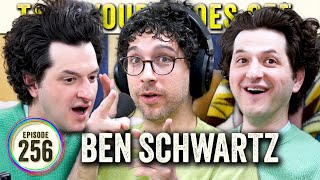 1h 55m⏭ 2
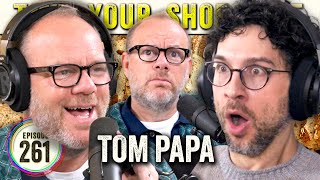 1h 55m⏭ 4
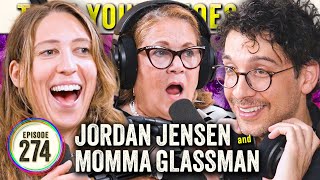 2h 1m⏭ 3
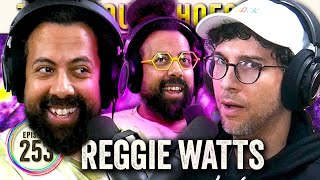 1h 42m⏭ 2
 2h 19m⏭ 3
 2h 3m⏭ 2
 1h 36m⏭ 2
 1h 58m
 39m⏭ 2
 1h 21m⏭ 4
 1h 8m⏭ 4
 32m⏭ 1
 52m⏭ 3
 2h 33m⏭ 2
 22m⏭ 2
 58m
58m 55m
55m 39m
39m 54m
54m