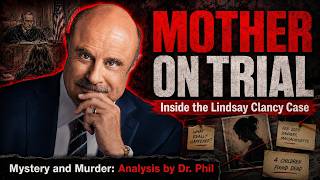
About this episodeThe Lindsey Clancy trial concluded with closing arguments where defense attorney Kevin Reighton argued that Cl…AI summary
The Lindsey Clancy trial concluded with closing arguments where defense attorney Kevin Reighton argued that Clancy lacked criminal responsibility due to postpartum psychosis, while the prosecution asserted premeditated murder. Legal expert Alan Jackson analyzed the proceedings, predicting a jury verdict of not guilty by reason of insanity, citing the prosecution's failure to prove intent and the defense's successful framing of the case as a systemic medical failure rather than individual malice.
Key takeaways 5
The defense strategy centered on 'manipulation' by the prosecution and medical system, using visual aids like pill bottles and journal entries to demonstrate Clancy's deteriorating mental state and her desperate attempts to seek help.
Prosecution expert Dr. Gregory Sat testified that Clancy was criminally responsible, but defense attorney Reighton effectively cross-examined him by highlighting that the evaluation occurred three years after the fact and contrasting it with defense experts who diagnosed postpartum psychosis.
Alan Jackson noted that the prosecution's argument relied heavily on the idea of 'psychotic detail' in planning, which he argued was a weak point because true psychosis typically involves a loss of rational control, not calculated execution.
The jury selection process in Massachusetts involves picking from a larger panel (up to 17) at the last minute, creating high stress for alternates who are dismissed without knowing if they will deliberate.
The case highlights broader systemic issues in mental health care, with both hosts and experts arguing that the lack of primary care 'quarterbacks' and fragmented psychiatric services contributed to the tragedy.
Notable quotes 4AI-generated: wording and quote attribution may be wrong. Use the play link to verify.
“She knew what she did was wrong. She could conform her behavior to the law and chose not to.”
▶ 2:08:31Prosecutor Jennifer Sprag's closing argument asserting Clancy's guilt and lack of insanity defense.
“We don't criminalize illness. And this young lady, this kid, she was ill.”
▶ 3:08:27Defense attorney Kevin Reighton's closing argument emphasizing that Clancy's actions were driven by mental disease rather than criminal intent.
“The problem is not putting her in prison for the rest of her life. The problem is she didn't get the help she needed.”
▶ 3:08:34Alan Jackson's analysis of the societal implications of the verdict, framing the trial as a referendum on the medical system.
“All work and no play makes Jack a dull boy... Look at her journal... Horrible thoughts. Horrible thoughts. Horrible thoughts.”
▶ 1:17:07Kevin Reighton referencing 'The Shining' to illustrate Clancy's descent into psychosis as documented in her personal journals.
Chapters & Sections (90)▼
0:00Jury Instructions and Closing Arguments Overviewchapter2
1:58Jury Instructions Delivery Process
4:09Jury Instructions on Closing Arguments and Evidence
6:38Closing Arguments and Jury Instructionschapter2
8:24Forensic Psychologist Testimony and Charge Denials
10:14Expert Testimony and Jury Instructions
13:03First Degree Murder Elements and Premeditationchapter2
16:14Defining Deliberate Premeditation Elements
17:42Mental Impairment and Jury Prediction
19:55Mental Health System Critique and Jury Instructionschapter1
23:21Jury Instructions on Extreme Atrocity
25:21Murder and Manslaughter Legal Definitionschapter2
28:00Mental Capacity and Human Flaw Defense
29:43Closing Arguments and Juror Gratitude
31:34Closing Arguments Burden of Proof and Mental Statechapter1
34:24Mental Illness Defense and Burden of Proof
37:07Defense: Suicide Attempt and Drug Research Evidencechapter1
39:53Suicide Attempt Severity and Drug Research
43:17Closing Arguments: Suicide Attempt Defense and Investigation Critiquechapter1
45:30Knot Testimony and Investigation Critique
48:28Critique of Medical Restraints and Police Investigationchapter2
51:18Spinal Injury Trauma and Legal Pressure
52:56Police Evidence Handling and Crushed Pills
55:40Closing Arguments: Wish Jar and Manipulation Claimschapter1
58:17Sheila Testimony and Psychologist Manipulation
1:00:52Witness Credibility and Patient Care Evaluationchapter2
1:02:35Witness Credibility and Patient Care Evaluation
1:04:28Defending Normal Grief and Doctor Rapport
1:06:14Psychosis Defense and Expert Testimony Analysischapter2
 53m⏭ 2
 24m
24m 51m
51m 21m
21m 20m
20m 52m
52m 1h 12m⏭ 4
 29m
29m 21m
21m 18m
18m 17m
17m 15m
15m 6h 26m
 7h 29m
 5h 27m
 44m⏭ 1
 11h 54m
 3h 13m
 6h 22m
 51m⏭ 1
 54m⏭ 3
 6h 22m
 59m⏭ 1
 22m
22m 11h 23m⏭ 1
 33m
33m 1h 0m⏭ 1
 46m
46m 3h 54m⏭ 7
 48m⏭ 2
 3h 59m⏭ 5
 1h 13m
 38m
38m 54m⏭ 2
 54m⏭ 1
 58m⏭ 5