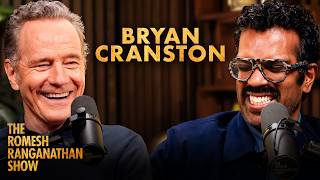
About this episodeBrian Cranston discusses his approach to character development, contrasting his roles in Malcolm in the Middle…AI summary
Brian Cranston discusses his approach to character development, contrasting his roles in Malcolm in the Middle and Breaking Bad, while sharing insights on acting techniques, industry experiences, and personal philosophy. He emphasizes the importance of contrast in comedy, the emotional vulnerability required for dramatic roles, and maintaining a professional, ego-free attitude toward the craft of acting.
Key takeaways 5
Character development through contrast: Cranston created Hal from Malcolm in the Middle by analyzing the dominant character (Lois) and writing the opposite traits (fearful, soft, vulnerable) to create a balanced dynamic.
The 'Fly' episode technique: In Breaking Bad, Cranston played the absurdity of the fly scene with absolute sincerity; he notes that if the actor is 'in on the joke,' the comedy dies, so he focused on Walter's genuine obsession and frustration.
Emotional core discovery: For Walter White, Cranston realized the character wore tidy white underwear not for comedy but because he was emotionally stunted and 'calloused over,' which informed his physical appearance (thinned mustache, muted colors) to reflect invisibility and lack of growth.
Acting as craft vs. star status: Cranston advocates for treating acting as a job and craft rather than chasing stardom, citing his father's struggle with fame and his own decision to focus on being a 'working actor' to avoid the pitfalls of entitlement.
Parenting and safetyism: Cranston reflects on how modern 'safetyism' contrasts with his own childhood freedom, suggesting that allowing children to navigate minor dangers helps them develop resilience, a theme he sees reflected in the functional love at the core of Malcolm in the Middle.
Notable quotes 5AI-generated: wording and quote attribution may be wrong. Use the play link to verify.
“I got out of legal pad and I started writing down all those things that Lois was. Fearless, domineering, tough... And I would write the opposite of exactly what she was. Fearful. Collapsible. He could collapse. Yeah. He's vulnerable. He's soft.”
▶ 7:43Cranston explains how he developed Hal's character in Malcolm in the Middle by contrasting him with Lois.
“In this case, you can't be in on the joke. If you're in on the joke, it dies. So, as the character, you have to be absolutely sincere and serious. And as a matter of fact, the more I was, the funnier it is to other people.”
▶ 46:07Cranston discusses his approach to the comedic elements within the dramatic 'Fly' episode of Breaking Bad.
“Love the art in yourself, not yourself in the art.”
▶ 1:14:47Cranston quotes Stanislavski to explain his philosophy on acting and why he advises against entering the industry for fame rather than passion.
“Whatever this means to you... I will never forget the words of wisdom that Mr. Alfred Hitchcock gave me... 'Good evening, Mr. Hitchcock. Did you have a nice time?' ... 'I'll never forget the words of wisdom that Mr. Alfred Hitchcock gave me.'”
▶ 1:41:01Cranston shares a humorous anecdote about interacting with Alfred Hitchcock at an awards show, implying Hitchcock's response was perfectly deadpan or dismissive.
“The next best thing to getting a job is not getting a job. That tells you, oh god, I thought I did really well. And I would say to people who go, I thought I was going to get that wrong. You did so well. And you go, you did. But that's just the way it is.”
▶ 1:25:01Cranston reflects on his daughter Taylor's audition for Breaking Bad and the nature of rejection in acting.
Chapters & Sections (51)▼
0:00Working on a Film Set in Venice, Italychapter3
1:33The Revival of Malcolm in the Middle
3:39Pitching a Revival of Malcolm in the Middle
5:22Revisiting a Beloved TV Show After 20 Years
6:40Developing a Character Through Contrastchapter2
9:12Developing a Comedic Character in a Sitcom
10:38Finding Character Motivation and Improvisation
12:23The Art of Improvisation in Actingchapter2
14:38Crazy Stunt on Set: Bees and a Character's Reaction
17:21The Pain of a Bee Attack is Surprising
18:37Evolution of a TV Character Over Timechapter1
21:14Evolution of a Character's Life Story
25:01Childhood Trauma and Creative Expressionchapter1
27:35The Benefits of Allowing Children to Navigate Risk
30:30Acting in Comedy vs. Drama: Timing and Sensibilitychapter2
32:01The Art of Comedic Timing and Subtlety
33:36The Art of Crafting Comedic Moments
35:14Adapting to Character Wardrobe Choices in Actingchapter2
37:17The Creative Process of Writing Complex Characters
39:10Character Development and Psychological Insights
40:55Crafting the Character of Walter Whitechapter3
42:28Collaborative Process in Writing for TV
43:56Crafting Comedic Moments in TV Shows
46:57Humor in Everyday Stupid Human Moments
48:15Actors' Emotional Depth in Character Portrayalschapter2
50:44The Art of Omission in Acting
52:19The Emotional Risks of Acting
55:52The Art of Acting as Illusionchapter1
58:07Behind-the-Scenes Experiences in Film and Television
1:01:07Saturday Night Live Hosting Experiencechapter2
1:03:11Saturday Night Live Sketch Development Process
1:04:36The Art of Portraying LBJ's Idiosyncratic Nature
1:06:28Techniques of Manipulation in Politicschapter2
1:07:48Unprofessional Behavior in the Oval Office
1:09:13The Art of Standup Comedy and Overcoming Fear
1:11:48Overcoming Fear in Acting and Comedychapter2
1:13:44The Challenges of Fame and Celebrity Culture
1:15:51Balancing Fame with Artistic Focus in Theater
1:17:17Accessibility and Affordability in Live Theaterchapter2
1:19:23Following a Family Career Path in Acting
1:21:21Passion and Dedication in Pursuing an Acting Career
1:22:57Parental Guidance on Child's Acting Careerchapter1
1:24:53The Challenges of Show Business and Hollywood's Dark Past
1:27:40The Importance of Perfection in Creative Fieldschapter2
1:29:37The Importance of Real-Life Experience for Creativity
1:30:54Balancing Career and Personal Life
1:33:20Celebrity Entitlement and Humility in the Entertainment Industrychapter1
1:35:03The Importance of Letting Go of Ego and Expectations
1:37:47Encountering a Legendary Film Directorchapter2
1:41:01Respecting Competition Among Actors
1:42:52The Challenges of Working with Tight Script Deadlines
 1h 36m
 1h 30m
 1h 33m
 1h 28m
 1h 4m
1h 4m 33m
33m 1h 36m
 1h 18m
 1h 25m
 1h 7m
1h 7m 54m
54m 1h 14m
 1h 12m⏭ 2
 1h 20m
 1h 20m
 2h 35m⏭ 2
 1h 0m
1h 0m 32m
32m 40m
40m 1h 10m
 1h 30m⏭ 1
 48m
48m 2h 39m⏭ 3
 38m
38m 51m
51m 2h 9m
2h 9m 11h 23m⏭ 1
 33m
33m 1h 0m⏭ 1
 46m
46m 48m⏭ 2
 3h 54m⏭ 7
 3h 59m⏭ 5
 1h 13m
 38m
38m 1h 16m
 54m⏭ 2
 10h 34m