About this episodeScott Barry Kaufman and Mark Manson discuss the distinction between actual victimhood and a 'victim mindset,' …AI summary
Scott Barry Kaufman and Mark Manson discuss the distinction between actual victimhood and a 'victim mindset,' arguing that the latter is characterized by entitlement and a refusal to take responsibility, often manifesting as vulnerable narcissism. They critique the modern cultural shift toward coddling and the overuse of clinical terms like trauma and neurodiversity on social media, advocating instead for an 'empowerment mindset' rooted in 'honest love' and post-traumatic growth.
Key takeaways 7
Victim Mindset vs. Victimhood: Being a victim of circumstances does not equate to having a victim mindset. A victim mindset is a perpetual state of blaming external factors (people, society, past trauma) for current problems while feeling entitled to special privileges or exemption from effort.
Vulnerable Narcissism: This form of narcissism is defined by the internal monologue 'I am worse off than everyone else, therefore I deserve special treatment.' It is often hidden behind politeness or self-deprecation but leads to resentment and depression, differing from grandiose narcissism which claims superiority.
The Failure of the Self-Esteem Movement: The movement shifted from healthy self-worth to unearned validation (hubristic pride). Healthy self-esteem (authentic pride) comes from mastery, struggle, and overcoming challenges, not from unconditional rewards.
Honest Love: A middle-ground approach between 'pull yourself up by the bootstraps' and 'coddling.' It involves validating someone's pain ('the love part') while simultaneously empowering them to act and grow ('the honest part'), rather than letting them stay stuck in their trauma.
Social Media and Trauma Contagion: Platforms like TikTok reward vulnerability and suffering, creating peer pressure to outdo each other in trauma. This dilutes the clinical meaning of terms like 'trauma' and 'neurodiversity,' turning them into social currency rather than medical realities.
Privilege and Mental Health: Contrary to assumptions, young people from privileged backgrounds often struggle more with mental health issues due to status anxiety, isolation, and the pressure of having no excuses for failure.
Post-Traumatic Growth: Research suggests that for every person with PTSD, there are four or five who experience post-traumatic growth, finding new meaning, kindness, or creativity after trauma. The focus should be on what can be done moving forward.
Notable quotes 5AI-generated: wording and quote attribution may be wrong. Use the play link to verify.
“A grandiose narcissist thinks to themselves, 'I'm better than everybody else. Therefore, I deserve special treatment.' Whereas a vulnerable narcissist says to themselves, 'I am worse off than everybody else, therefore I deserve special treatment.'”
Explaining the psychological mechanism behind vulnerable narcissism and how it mirrors the entitlement of a victim mindset.
“Sooner or later, sooner or later, you have to give up all hope for a better past.”
▶ 22:07A quote from existential psychologist Irvin Yalom that encapsulates the book's core message of focusing on the future rather than ruminating on unchangeable past events.
“Honest love is this. The love part is simply validating someone's real felt experience... But you know what? You got this. The cat might not have much hope, but you can get through this.”
▶ 13:05Defining the balanced approach of validating pain while encouraging resilience, avoiding both toxic positivity and enabling.
“If you find yourself starting to go down the route of why, why, why, why, change all your questions to what. What am I going to do? What is the most productive action I can take in this moment right now?”
▶ 46:55A specific tactical advice for breaking out of rumination and victimhood spirals.
“Suffering is not a competition... If you get victim status, you become almost a protected class where you can do no wrong. So it's a very coveted thing to have that status.”
▶ 34:55Discussing why people cling to victimhood identities and how it creates a zero-sum game mentality regarding empathy and resources.
Chapters & Sections (45)▼
0:00Defining Victim Mindset and Actual Victimhoodchapter3
0:00Defining Key Concepts for Personal Growth
1:40The Victim Mindset and Its Societal Implications
4:26Overcoming Victim Mindset and Empowerment
6:31The Nature of Life and Human Sufferingchapter2
6:31The Nature of Life and Human Suffering
8:51Characteristics of Vulnerable Narcissism Explained
11:43Empowerment Mindset vs. Victimhood Identitychapter3
11:43Empowerment Mindset vs. Victimhood Identity
13:30Balancing Resilience and Emotional Validation
15:02Criticizing the Self-Esteem Movement and Narcissism
16:22Forms of Pride and Self-Esteemchapter4
16:22Forms of Pride and Self-Esteem
18:16Importance of Allowing Children to Experience Struggle
19:42Criticizing the Dominant Trauma Narrative
21:04Challenging the Blame Culture and Toxic Societal Norms
22:42Importance of Self-Reflection and Trauma Resolutionchapter3
22:42Importance of Self-Actualization and Personal Growth
23:54Benefits of Auditing Childhood Trauma
25:21Healing Journey and Trauma Recovery
26:57Education System's Role in Low Self-Esteemchapter3
26:57Education System's Role in Low Self-Esteem
28:53Teaching Critical Thinking and Reducing Hate Indoctrination
30:18Mental Health and Socioeconomic Status Paradox
32:53Privilege and Anxiety in High-Pressure Environmentschapter3
32:53Privilege and Anxiety in High-Status Individuals
34:49The Zero Sum Mindset of Suffering and Empathy
36:20Addressing Trauma and Victimhood in Conflict Resolution
38:21Trauma Definition and Clinical Significancechapter3
38:21The Overuse and Misuse of Trauma Terminology
39:52Trauma and Clinical Language Misuse
41:23Consequences of Overemphasizing Trauma and Suffering
43:15Post-Traumatic Growth and Resilience Strategieschapter2
43:15Post-Traumatic Growth and Resilience Strategies
45:14Overcoming Learned Helplessness and Negative Thought Patterns
47:31Cultivating Mindfulness and Gratitude in Daily Lifechapter3
47:31Coping with Adversity through Mindfulness
49:02Managing Emotions and Negative Thoughts
50:35Overcoming Victim Mindset in Teenagers
51:52Challenging Unrealistic Expectations of Happinesschapter5
51:52Challenging Unrealistic Expectations of Happiness
53:47The Psychology of Victimhood and Incivility
55:11Post-Traumatic Growth and Resilience Strategies
57:12The Role of Habits in Personal Transformation
58:51Growth Processes and Unrealistic Expectations
 1h 23m
 1h 9m
1h 9m 23m
23m 1h 9m
1h 9m 1h 7m
1h 7m 1h 16m
 1h 10m
 1h 2m
1h 2m 1h 28m
 1h 1m
1h 1m 1h 14m
 52m
52m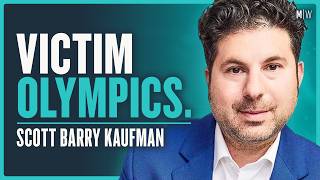

 2h 10m
 4h 5m⏭ 4
 2h 18m⏭ 3
 2h 24m⏭ 3
 1h 24m
 1h 37m
 1h 35m⏭ 1
 2h 3m
2h 3m 2h 0m
2h 0m 2h 3m⏭ 1
 1h 59m
 1h 4m⏭ 3
 2h 35m
 11h 23m⏭ 1
 1h 0m⏭ 1
 46m
46m 3h 54m⏭ 7
 33m
33m 3h 59m⏭ 5
 48m⏭ 2
 37m⏭ 2
 38m
38m 56m
56m 54m⏭ 2