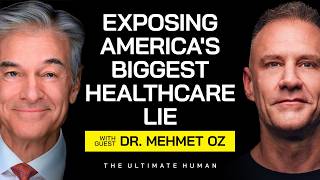
About this episodeDr. Oz discusses his transition to CMS Administrator under the Trump administration, focusing on aggressive he…AI summary
Dr. Oz discusses his transition to CMS Administrator under the Trump administration, focusing on aggressive healthcare reform through AI integration, pharmaceutical price negotiations, and fraud elimination. The conversation highlights a strategy of using government convening power to lower drug costs while maintaining innovation, democratizing healthcare access via AI tools for underserved populations, and cracking down on systemic fraud in Medicaid and hospice care.
Key takeaways 6
Pharmaceutical Pricing Strategy: The administration is using 'Most Favored Nation' drug pricing and convening power to negotiate lower costs with pharma companies without stifling innovation. The goal is to reduce the 6% of US GDP spent on drugs by leveraging international benchmarks and the threat of regulatory action.
AI as a Healthcare Multiplier: AI is positioned not to replace doctors but to make them 5-10x more efficient by handling paperwork and initial triage. This is critical due to a shortage of General Practitioners and the need to serve rural areas where specialists are unavailable.
GLP-1 Accessibility: The administration negotiated prices for GLP-1 drugs (like Ozempic/Wegovy) down to $200 cash pay ($150 for pills), with $50 co-pays for Medicare and zero cost for Medicaid. This aims to democratize access to obesity treatment, which is currently concentrated in wealthy zip codes.
Fraud as a Systemic Crisis: Significant fraud exists in Medicaid and hospice care, driven by lack of audits and incentives. Examples include 7x more hospices in California than needed (with 100% survival rates) and $1.5 billion in improper payments for illegal immigrants in California. The administration is cutting payments to states that fail to audit.
Healthcare Data Interoperability: A pledge by 600 tech companies ensures data transparency and interoperability. AI acts as the 'magic glue' to decode proprietary medical record formats, allowing patients to own and use their health data across different platforms.
Rural Healthcare Innovation: A $50 billion investment in rural health is being used to deploy micro-hospitals, AI-supported robots for ultrasounds, and drone deliveries, addressing the lack of access for 60 million rural Americans.
Notable quotes 5AI-generated: wording and quote attribution may be wrong. Use the play link to verify.
“Don't think about healthcare like an expense. Think of it as an investment because if I can get the average American to work one year longer... that is worth $3 trillion to the US economy.”
▶ 8:38Dr. Oz explains the economic rationale for making healthcare affordable, linking health outcomes directly to economic productivity.
“We have seven times more hospice in California... The survival rate for most of these hospice centers is 100%. Wait a second. They shouldn't have gone to hospice. Exactly.”
▶ 39:42Dr. Oz provides a stark example of hospice fraud in California, illustrating how the system is being exploited when oversight is absent.
“If you ban [AI in therapy], then a lot of people are just going to have nothing... We do not have enough practitioners. There just aren't enough people to take care of rural America.”
Dr. Oz argues against banning AI in healthcare, citing the severe shortage of mental health professionals in rural areas as a reason AI is necessary for baseline care.
“The only investments we've ever made in those spaces are ones that go direct to consumer because we know going through the government, there's just not enough runway for those companies to get to the other side.”
▶ 29:06Dr. Oz explains why the administration is focusing on direct-to-consumer health tech innovations rather than traditional government procurement models.
“You don't want to throw away that power. You know, don't beg for forgiveness. Push for action.”
▶ 21:52Dr. Oz describes the administration's approach to negotiating with pharmaceutical companies and other industry players.
Chapters & Sections (51)▼
0:00Transitioning to Public Service in Healthcarechapter3
0:00Transitioning to Public Service in Healthcare
2:18Leadership Style and Decision Making Process
3:34Healthcare Governance and Regulatory Challenges
6:16Pharmaceutical Industry Reform and Affordabilitychapter3
6:16Pharmaceutical Industry Reform and Cost Reduction
8:00Affordability of Healthcare and Economic Impact
9:14Universal Healthcare and Cost Containment Strategies
11:32Making Top-Tier Healthcare Accessible and Affordablechapter2
11:32Making Top-Tier Healthcare Accessible and Affordable
14:07AI in Healthcare Efficiency and Doctor Shortage
15:54The Future of Self-Directed Healthcarechapter3
15:54Future of Healthcare and AI Integration
17:31Rise of Self-Directed Healthcare and Its Challenges
19:11Democratizing Healthcare through AI and Technology
20:38Patient Empowerment in Healthcare Decision Makingchapter3
20:38Patient Empowerment in Healthcare Decision Making
22:10Sharing and Accessing Personal Medical Records
23:39AI in Healthcare: Democratization and Accessibility
25:28Addressing Rural Healthcare Access and Shortageschapter3
25:28Addressing Rural Healthcare Access and Infrastructure
26:40Rural Healthcare Innovation and Accessibility
27:52Harnessing AI for Healthcare System Transformation
29:52Healthcare Cost Cutting and Efficiency Measureschapter3
29:52Healthcare Efficiency and Cost Reduction Strategies
31:29Affordable Prescription Medication for Chronic Illnesses
32:42Affordable Healthcare for Underserved Americans
33:51Future of Medicine and Healthcare Innovationchapter2
33:51Future of Medicine and Healthcare Innovation
35:55Healthcare Waste and Abuse in the US
38:20Healthcare Fraud and Bureaucratic Inefficiencieschapter3
38:20Healthcare Fraud and Bureaucratic Inefficiencies
39:36Healthcare System Vulnerability to Bureaucratic Abuse
40:43Healthcare Corruption and Bureaucratic Failures
42:54Protecting Vulnerable Programs from Fraud and Abusechapter4
42:54Protecting Vulnerable Programs from Healthcare Fraud
44:08California's Massive Government Fraud and Spending Issues
45:19California's Budget Deficit and Healthcare Waste
46:45Government Waste and Corruption in Public Programs
48:17Combatting Healthcare Fraud and Abusechapter2
48:17Combatting Healthcare Fraud and Abuse
50:35Healthcare Bureaucracy and Systemic Corruption
52:33Abuse of Public Healthcare Funding Systemschapter2
52:33Abuse of Public Healthcare Funding Systems
54:30California's Healthcare Funding for Illegal Immigrants
56:54Addressing Incentives for Illegal Immigrationchapter5
56:54Addressing Incentives for Illegal Immigration
59:44Addressing Opioid Crisis and Homelessness
1:01:27Addressing Opioid Addiction and Public Health Challenges
1:02:46Critique of Elitism and Intellectual Dishonesty
 1h 23m
 1h 33m⏭ 1
 1h 4m
1h 4m 28m
28m 1h 18m⏭ 1
 27m
27m 1h 27m
 1h 43m⏭ 1
 1h 31m
 1h 9m⏭ 2
 1h 10m
 50m
50m
 1h 38m⏭ 2
 3h 8m⏭ 3
 22m
22m 1h 37m⏭ 6
 1h 1m
1h 1m 27m
27m 1h 34m
 3h 8m⏭ 3
 1h 35m⏭ 3
 2h 1m⏭ 1
 1h 17m⏭ 3
 3h 14m⏭ 6
 11h 23m⏭ 1
 33m
33m 1h 0m⏭ 1
 46m
46m 3h 54m⏭ 7
 3h 59m⏭ 5
 1h 13m
 54m⏭ 1
 58m⏭ 5
 25m
25m 45m⏭ 2
 1h 16m⏭ 2