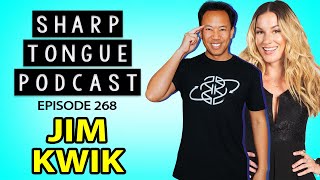
About this episodeJim Quick argues that in the age of AI, human intelligence (HI) is the critical differentiator, as AI only amp…AI summary
Jim Quick argues that in the age of AI, human intelligence (HI) is the critical differentiator, as AI only amplifies existing cognitive capacity. He introduces the LEAP method (Learn, Explain, Apply, Pattern) as a framework for accelerated learning and emphasizes that wisdom comes from applying knowledge to create results. The conversation highlights the danger of 'digital dementia' and the importance of protecting morning attention to prime the brain for success.
Key takeaways 5
AI is a multiplier, not a replacement; it amplifies the user's existing intelligence. If a person is confused, AI amplifies confusion; if they are clear, it amplifies clarity. Therefore, investing in human intelligence yields higher returns than investing in AI alone.
The LEAP Method is a four-step framework for learning: Learn (consume), Explain (teach to identify gaps), Apply (use it or lose it due to the forgetting curve), and Pattern Recognition (find universal principles to apply across contexts).
Most people suffer from 'digital dementia' or 'digital deduction,' where reliance on technology for memory and navigation atrophies brain capabilities. Studies show that using AI for tasks like writing essays results in lower retention and less active brain engagement compared to manual effort.
Intelligence is not fixed; it is defined by pattern recognition and the ability to change opinions based on new data. The brain is neuroplastic, meaning 2/3 of its performance is influenced by lifestyle and habits rather than just genetics.
The first few minutes after waking up are critical for 'attentional priming.' Consuming media immediately upon waking wires the brain for distraction and reaction, whereas priming the mind with positive or focused content sets the tone for the entire day.
Notable quotes 5AI-generated: wording and quote attribution may be wrong. Use the play link to verify.
“Knowledge is what is. Imagination is all things that could be.”
▶ 0:08Jim Quick citing Einstein to emphasize the power of visualization and future-oriented thinking over static knowledge.
“If you fight for your limitations, you get to keep them.”
▶ 45:11Jim Quick explaining how self-talk programs the brain's supercomputer; negative self-beliefs become self-fulfilling prophecies.
“Different is better than better.”
▶ 29:31Jim Quick referencing Sally Hogshead's principle that standing out in a marketplace requires differentiation rather than just incremental improvement.
“Your inbox is nothing but a convenient organizational system for other people's agenda for your life.”
▶ 49:28Jim Quick quoting Brennan Bashard to illustrate why reacting to notifications immediately upon waking undermines proactive focus.
“First you create your habits and then your habits create you.”
▶ 52:53Jim Quick explaining the importance of visualizing the process and habits required to achieve a goal, rather than just the goal itself.
Chapters & Sections (24)▼
0:00Overcoming Learning Challenges and Brain Performancechapter1
2:27Compensating for Learning Challenges with Mental Fitness
6:25Limitless Daily Book and Human Intelligence vs AIchapter3
8:18Limitless Daily Book Purpose and Features
9:56Human Intelligence vs AI Investment
12:14Defining Human Intelligence and Choice
15:22Wisdom vs Information and Learning Applicationchapter1
 1h 13m
 1h 4m
1h 4m 49m
49m 1h 12m
 1h 37m
 1h 6m⏭ 1
 1h 36m
 1h 36m
 1h 8m
1h 8m 1h 28m⏭ 1
 57m
57m 1h 19m
 1h 6m⏭ 2
 23m⏭ 1
 1h 21m
 1h 29m⏭ 2
 1h 40m
 2h 33m⏭ 5
 2h 37m⏭ 3
 1h 22m⏭ 2
 20h 40m⏭ 10
 56m⏭ 1
 1h 9m⏭ 3
 1h 30m
 1h 0m⏭ 1
 33m
33m 46m
46m 3h 54m⏭ 7
 3h 59m⏭ 5
 54m⏭ 1
 1h 13m
 54m⏭ 2
 1h 26m
 58m⏭ 5
 25m
25m 45m⏭ 2