About this episodeByron Allen shares his journey from a 14-year-old comedy prodigy to a media mogul, highlighting the pivotal ro…AI summary
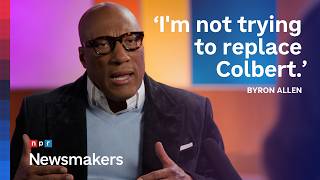
Byron Allen shares his journey from a 14-year-old comedy prodigy to a media mogul, highlighting the pivotal role of his mother’s entrepreneurial spirit and his early mentorship under Johnny Carson. He emphasizes that health and love are the true foundations of wealth, recounting how his mother created an NBC internship program to escape Detroit riots and how he learned show business mechanics by observing Carson’s workflow. The conversation underscores the value of extreme preparation, long-term vision over short-term gains, and maintaining personal integrity in business.
Key takeaways 6
Health is the ultimate wealth: Byron asserts that physical and mental health allow for the rebuilding of any fortune, whereas losing health makes all other wealth irrelevant.
The power of asking for an internship: Byron’s mother secured her career at NBC not by asking for a job, but by asking them to start an internship program with her, demonstrating proactive problem-solving.
Johnny Carson’s editing system: Carson used a long board of Q-cards running the length of the studio to edit his monologue in real-time, causing him to physically veer left-to-right as he read, a technique Byron studied to master his own performance.
Strategic patience in career building: At 17, Byron turned down an offer to appear on The Tonight Show because he was still in high school and couldn't sustain the commitment, choosing long-term viability over immediate fame.
Comedy requires specific audience connection: Byron retired from touring because he prefers the intimacy of an audience that bought tickets specifically for him, rather than opening acts or casual viewers.
Media ownership and independence: Byron discusses acquiring BuzzFeed and HuffPost, noting that owning the platform allows him to avoid the 'woke' purity tests that plagued these outlets when they were publicly traded.
Notable quotes 5AI-generated: wording and quote attribution may be wrong. Use the play link to verify.
“Your health is your wealth. You can have a fortune, you can lose a fortune, you can do it 10 times. You'll always rebuild it if you have your mental health and your physical health and love.”
▶ 4:14Byron reflecting on the definition of true wealth during a discussion about materialism versus well-being.
“She asked a question that changed our lives forever. She said, 'Will you please start one with me?' And they said, 'Yes.'”
▶ 19:15Byron describing how his mother created an internship at NBC when they told her they had no jobs available.
“I'm not going to do the talk show. I'll just do a comedy show and I'll just have comedians come on. I don't need to talk to celebrities and talk about a book or a movie or TV show.”
▶ 1:14:17Byron explaining how Johnny Carson’s advice to 'pull back' and let guests shine influenced Byron’s format for his own talk show.
“This is a marathon, not a sprint. When I do the show, I hope that I'm going to get offers. And when I get offers, I want to be able to accept them. I'm in high school. I can't accept one offer.”
▶ 59:30Byron explaining why he declined an early appearance on The Tonight Show at age 17.
“I don't think I would pick a better life... I don't think it'd be better than this one.”
▶ 1:42:37Byron reflecting on his life satisfaction at age 70, rejecting the idea of reincarnation because he is content with his current existence.
Chapters & Sections (51)▼
0:00Billionaire Status and Health as Wealthchapter1
2:59Billionaire Status, Capitalism, and Health as Wealth
4:49Early Comedy Career and High School Talent Showchapter2
7:13Early Comedy Clubs and Jay Leno
8:24High School Talent Show Incident
9:32Johnny Carson's Risque Humor and Coldnesschapter1
12:09Anecdotes About Johnny Carson's Career and Temper
13:56Childhood in Detroit During 1968 Riotschapter1
16:151968 Detroit Riots and Moving to LA
17:57Mother's NBC Internship and Johnny Carson Observationschapter3
20:20Family Business Dynamics and Childhood Memories
21:50Johnny Carson's On-Set Habits and Monologue Preparation
23:39Johnny Carson's Teleprompter System and Routine
25:51Byron Allen's Early Comedy Career and Aspirationschapter2
27:28Sponsorship Ads for Factor Meals and Quo
29:17Starting Comedy Career at 14
33:54Starting Comedy Career at 14chapter2
35:53Early Comedy Career and Writing Success
38:14Early Comedy Writing Group Memories
39:56Early Career Struggles and First Paycheckchapter2
41:35Valuing Hardship and Early Work Memories
43:12First Paid Comedy Checks and Career Turning Points
46:53Wealth, Car Passions, and LA Lifestylechapter2
49:19Social Media Royalty and Business Empire
50:55LA Lifestyle, Social Circles, and Climate
52:51Urban Living Discomfort and Pandemic Inequalitychapter1
54:16COVID Inequality and Skip Stevenson
57:10Declining Tonight Show Offer at 17chapter1
59:38Johnny Carson's First Meeting
1:01:46Johnny Carson's Studio Design and Comedic Riskschapter2
1:03:06Comedy Risks and Age Maturity
1:04:27HBO Success and Bob Hope Studio Design
1:07:34Striking Johnny Carson's Set for TV Specialschapter2
1:10:38Strategic Parking Maneuvers with Johnny Carson
1:13:03Comedy Show Format and Comedian Dynamics
1:15:00Comedy Styles and Media Ownershipchapter2
1:16:56Critique of Left-Wing Media Purity
1:18:17Bill Maher's Catholic Upbringing
1:19:56Childhood Confession Anxiety and Wardrobe Evolutionchapter2
1:22:09Uniform Mindset and Wealth Realization
1:23:41Personal Values and Routine
1:24:32Personal Style, Ties, and Hawaii Vacationschapter2
1:26:05Comfort vs Formal Wear and Tie Health Risks
1:27:36Hospital Infections and Hawaii Vacation Performances
1:30:24Comedy Career, Private Jets, and Retirementchapter1
1:32:16Retiring Private Jet Travel
1:34:39Standup Comedy Process and Monologue Performancechapter2
1:37:37Comedy writing and standup vs monologue
1:39:01Comedian Monologue Appreciation and Impermanence
1:40:20Comedy vs Music and Life Satisfactionchapter1
 2h 8m⏭ 3
 1h 42m⏭ 4
 1h 33m⏭ 3
 1h 36m⏭ 3
 1h 47m⏭ 1
 1h 28m⏭ 3
 1h 34m⏭ 1
 1h 46m⏭ 3
 1h 34m⏭ 6
 1h 43m⏭ 4
 1h 14m⏭ 3
 2h 14m⏭ 4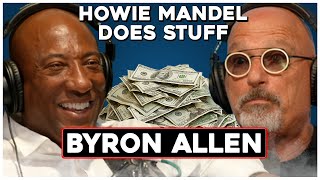

 1h 36m
 3h 5m⏭ 2
 1h 0m
1h 0m 2h 3m⏭ 6
 1h 16m
 1h 57m⏭ 3
 1h 35m⏭ 2
 1h 48m
 2h 15m⏭ 3
 2h 13m
 24m⏭ 2
 1h 11m⏭ 2
 11h 54m
 11h 54m⏭ 8
 1h 0m⏭ 1
 33m
33m 6h 26m
 9h 11m
 3h 54m⏭ 7
 3h 59m⏭ 5
 46m
46m 54m⏭ 1
 54m⏭ 2
 1h 16m⏭ 2