About this episodeEric Benet discusses his journey from Milwaukee to becoming an R&B icon, revealing deep family roots in Africa…AI summary
Eric Benet discusses his journey from Milwaukee to becoming an R&B icon, revealing deep family roots in Africa Town, Mobile, and the historical significance of Haitian heritage. He shares candid stories about the music industry's pressures, the trauma of the Jeffrey Dahmer case in Milwaukee, and the creative process behind his biggest hits.
Key takeaways 5
Eric Benet discovered through DNA testing that his great-great-grandfather was a captive on a slave ship that landed in Mobile, Alabama, leading to the creation of Africa Town, a community of freed slaves who pooled resources to buy land.
Benet realized his Haitian heritage challenged negative stereotypes about voodoo, revealing that practices like meditation and moon worship were central to the Haitian revolution against French forces.
The Jeffrey Dahmer case had a profound impact on Milwaukee's black community, highlighting systemic failures in law enforcement and creating a lasting stigma for the city.
Benet's vocal care routine involves strict avoidance of sugar and alcohol during touring seasons, emphasizing hydration and clean eating to preserve vocal integrity.
The neo-soul movement of the late 90s was a collective effort by artists like D'Angelo, Erykah Badu, and Benet to return to authentic, live instrumentation and emotional vulnerability in response to the rise of hip-hop.
Notable quotes 4AI-generated: wording and quote attribution may be wrong. Use the play link to verify.
“My great great great grandfather was literally chosen because he could play drums... he was literally the last captive like slavery had been over for 20 years but you know the south is like well who going to stop me?”
▶ 17:10Benet explains the origin story of his family's presence in Africa Town, Mobile.
“I still don't feel like I made it. I will forever like and I think that's the thing like you're an a true musician artist so you're more about reaching an unreachable perfection of something that can never be perfected.”
▶ 1:17:11Reflecting on his career longevity and the perpetual drive of an artist.
“The music reflects how we feel. Yo, ladies and gentlemen, that's why he's not air. Quest Love.”
▶ 54:18Benet discusses how musical complexity and emotional depth have diminished in modern music.
“I think my passion for music deepened when I realized right around that age that if I sang girls treated me a certain way.”
▶ 55:32Benet admits his early realization of the social power his voice held.
Chapters & Sections (56)▼
0:00Curating Music History and Cultural Archiveschapter4
2:24Early Music Archiving and Japan Tour
4:09Soul Train Archives and James Brown Performance
5:39Prince's Uncharacteristic Kindness at Jones Beach
8:27Prince Michael Jackson James Brown Stage Incident
12:28Family History and Africa Town Originschapter3
14:31Childhood Memories and African Roots
16:01Slave Trade Negotiations and Family Origins
17:35Illegal Slave Trade and Land Purchase
20:55Haitian Heritage and Midwest Music Culturechapter1
23:27Milwaukee's Musical Identity and Midwest Influence
26:04Milwaukee's Jeffrey Dahmer Case and Community Impactchapter2
27:37Racial Bias in Jeffrey Dahmer Investigation
29:30Dahmer Case Details and Milwaukee Impact
31:59Milwaukee Tragedy and Musical Upbringingchapter2
33:36Literary Influences and Family Musical Environment
35:29Childhood Music Exposure and First Purchases
37:28Family Influence, Early Jobs, and Childhood Posterschapter1
40:12Early Jobs and Childhood Bedroom Posters
42:42Childhood Album Cover Poses and Musical Influenceschapter3
44:51George Duke Stanley Clark Simple Melodies
47:07Steely Dan Musical Complexity and Dad's Yacht Rock
48:52Steely Dan Appreciation and Emotional Impact
52:02Music Sampling, Shuffle Songs, and Fashion Dreamschapter1
53:54Jazz Dilution and Fashion Career Aspirations
56:26Dropping out of college to start bandchapter1
58:17Early recording studio and demo deal
1:00:33Musical Influences and Label Historychapter3
1:02:22Creative Process and Label Dynamics
1:03:46Benet Group Implosion and Label Struggles
1:06:16Navigating Industry Pressure and Career Survival
1:08:31The Toxicity of Fame and Neo Soul Originschapter2
1:11:19Neo Soul Origins and Family Dynamics
1:12:50Overcoming Guilt and Creating True to Myself
1:16:52Musician Perfectionism and Roots Origin Storychapter2
1:19:22Spike Lee Commercial and Street Busking Origin
1:21:02Organic Band Formation and Parental Approval
1:23:17Big Break Competition and Stevie Wonder Meet and Greetchapter1
1:25:31Stevie Wonder Piano Meet and Greet
1:28:39Voodoo Tour Chaos and Soundcheck Mishapschapter3
1:30:48Voodoo Tour Stage Fights and Security
1:32:19Soundcheck Mishaps and Stage Rules
1:33:25Soundcheck Mishap with De's Awareness
1:35:01Stage Accident and Wedding Song Burdenchapter2
1:36:50Performance Intensity of Sometimes I Cry
1:38:55Studio Recording vs Live Performance Challenges
1:40:45Vocal Care and Dietary Restrictions for Singerschapter2
1:42:35Vocal Rest and Dietary Restrictions
1:44:21Acoustic Guitar Influence on Soul Music
1:46:08Warner Bros Rejecting Better and Better Albumchapter1
1:48:07Seeking David Foster's Help
1:50:39Navigating R&B Vulnerability in Hip-Hop Erachapter1
1:53:45Emotional Burden of Musical Representation
1:55:35Creative Philosophy and Advice to Younger Selfchapter2
 1h 42m
 1h 1m
1h 1m 1h 29m⏭ 1
 1h 4m
1h 4m 1h 12m⏭ 1
 54m
54m 1h 23m
 2h 28m⏭ 1
 1h 35m⏭ 1
 57m⏭ 1
 1h 5m
1h 5m 1h 5m
1h 5m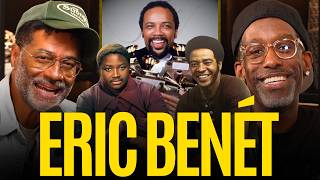


 2h 30m⏭ 1
 1h 32m
 1h 6m
1h 6m 1h 49m⏭ 2
 3h 6m⏭ 1
 2h 36m
 1h 7m
1h 7m 58m
58m 1h 41m⏭ 4
 58m
58m 1h 50m
 1h 12m⏭ 3
 11h 23m⏭ 1
 1h 0m⏭ 1
 33m
33m 46m
46m 3h 54m⏭ 7
 48m⏭ 2
 3h 59m⏭ 5
 1h 13m
 38m
38m 54m⏭ 2
 54m⏭ 1
 58m⏭ 5