About this episodeThe panel debates the tension between free trade principles and national security concerns, specifically regar…AI summary
The panel debates the tension between free trade principles and national security concerns, specifically regarding China's economic leverage and structural trade imbalances. While one speaker advocates for strict free trade with narrow national security exceptions, others argue that China's non-market practices and strategic use of economic dependence necessitate targeted tariffs and a reevaluation of multilateral engagement.
Key takeaways 6
China's economy is structurally geared towards overinvestment and exports rather than domestic consumption, leading to perpetual trade surpluses that the US and Europe no longer tolerate due to economic and political unsustainability.
The traditional theory of economic interdependence as a pacifying force is challenged by the US-China dynamic, where deep integration creates vulnerabilities and leverage points rather than preventing conflict.
The US holds leverage over China through its large import market and control over critical technology supply chains, including AI chips, IP, and software, which are essential for China's technological advancement.
Tariffs on intermediate manufacturing inputs raise costs for American manufacturers; eliminating these taxes could boost the domestic manufacturing and defense industrial base.
The World Trade Organization (WTO) dispute settlement system has been degraded by US inaction, creating a need to either revive the multilateral system or build a new framework to address China's participation.
National security exceptions in trade policy risk 'swallowing the rule' of free trade if applied too broadly, as seen with arguments to protect sugar or garlic, which harms downstream industries like automakers.
Notable quotes 4AI-generated: wording and quote attribution may be wrong. Use the play link to verify.
“Trade is not among nations... it is about people... two people in two different places seeking to improve their lives and engage in mutually beneficial Commerce.”
▶ 3:47Scott Lincicome argues that trade is fundamentally about individual economic liberty and mutual benefit, not geopolitical competition or trade deficits.
“Exports are not the ending of themselves... you sell things to actually generate an income so you can actually go and consume and buy and purchase.”
▶ 14:52Josh Meltzer explains the economic theory of comparative advantage, noting that exports are a means to earn money for imports, not an end goal.
“If you use tariffs as a way to impose costs on a foreign trading partner or to protect your own domestic industry is a very bad idea but if you use tariffs as a negotiating tactic... then I think it's a good idea.”
▶ 32:29Arthur Herman defends the strategic use of tariffs as leverage to force other nations to lower their own trade barriers.
“We are not prepared for deeper economic integration we're not going to tolerate essentially importing all these subsidized goods from you anymore it's not sustainable economically and politically.”
Josh Meltzer explains the rationale behind recent Biden administration tariffs on EVs and solar panels, citing the unsustainability of Chinese subsidies.
Chapters & Sections (25)▼
0:00Free Trade vs Protectionism in International Tradechapter3
0:00Free Trade vs Protectionism in International Trade
2:46Benefits of Unfettered Free Trade
4:02Benefits of Free Trade and Economic Liberty
5:44Trade Protectionism and Free Trade Discussionchapter3
5:44Trade Protectionism and Negative Cultural Consequences
7:04Benefits of Free Trade and National Interests
8:21Free Trade and Social Constraints
10:40China's Economic Influence on US National Securitychapter5
10:40Free Trade vs National Security Concerns
12:24US Leverage in Trade with China
14:01Comparative Advantage in International Trade
15:21China's Economic Structure and Trade Imbalance
16:40Economic Interdependence and Global Conflict Risks
18:29China's Economic Leverage and National Security Concernschapter3
18:29China's Economic Leverage and National Security
20:30National Security and Trade Protection
21:42Trade Restrictions and National Security
23:48US-China Trade Imbalance and National Securitychapter6
23:48US China Trade Imbalance and National Security
25:26Discussion on Trade Deficit and Tariffs
26:49US Trade Deficit with China Explained
28:31US Trade Policy and Tariffs Discussion
30:17Multilateral Trading System in Crisis
31:42US Manufacturing and Trade Barriers Discussion
 1h 18m
 1h 25m
 1h 17m
 1h 28m
 1h 31m
 1h 26m
 24m
24m 1h 24m
 23m
23m 1h 1m⏭ 1
 1h 24m
 59m
59m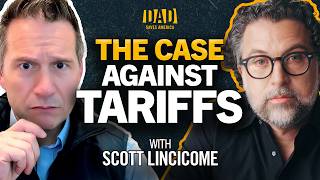 1h 53m⏭ 1
 11h 54m
 1h 27m
 1h 34m⏭ 1
 1h 38m⏭ 1
 1h 15m⏭ 1
 31m
31m 1h 2m
1h 2m 1h 28m⏭ 1
 21m⏭ 1
 51m
51m 31m
31m 1h 0m⏭ 1
 11h 54m⏭ 8
 33m
33m 11h 54m
 6h 26m
 9h 11m
 3h 54m⏭ 7
 46m
46m 3h 59m⏭ 5
 54m⏭ 1
 54m⏭ 2
 1h 16m⏭ 2