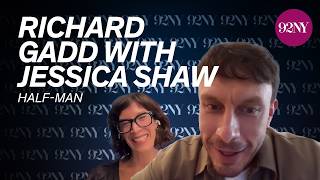
About this episodeDonnie MacLeod discusses the creation, physical transformation, and thematic depth of his series 'Half Man,' d…AI summary
Donnie MacLeod discusses the creation, physical transformation, and thematic depth of his series 'Half Man,' detailing the intense collaboration with co-star Jamie Dornan and the psychological demands of portraying the villainous character Reuben. He emphasizes a creative philosophy centered on ambiguity and audience interpretation, rejecting explicit moral messaging in favor of complex character studies rooted in male repression and pain.
Key takeaways 6
Character Design Strategy: The hair and beard for Reuben were designed to represent 'devolved humanity' and the 'worst parts of himself,' contrasting with the softer hairstyle of the younger version in 'Baby Reindeer' to visually signal a regression to primitive, aggressive masculinity.
Psychological Acting Method: MacLeod maintained a 'messed up psychology' throughout the shoot to keep Reuben's actions rooted in pain rather than just physicality, ensuring the character remained vulnerable despite his brutal behavior.
Production Constraints: The 'Half Man' production schedule was extremely tight, often completing complex scenes (like a 20-minute hospital scene) in half a day or one day for multiple prison scenes, requiring intense concentration and mutual respect between actors to maintain quality.
Creative Philosophy on Ambiguity: MacLeod deliberately avoids clear moral messaging or social political points in his work, preferring to leave endings and character motivations open-ended so audiences can draw their own conclusions and find personal meaning.
Casting Dynamics: MacLeod initially resisted playing Reuben, preferring to direct or write, but accepted the role after HBO/BBC encouragement and realizing the physical transformation was necessary to distinguish the character from his previous role as Donnie.
Audience Perception of Masculinity: MacLeod notes that many men who present as 'alpha' or intimidating often reveal deep-seated pain and trauma when interacting with him, reinforcing the show's theme that violence often stems from repressed vulnerability.
Notable quotes 5AI-generated: wording and quote attribution may be wrong. Use the play link to verify.
“I knew he does a lot of violent things... I always knew that it had to come from a place of pain within him. I knew like in a lot of ways despite all the bad things he does that there needs to be a certain degree of pain behind his eyes every every time you see him. Otherwise, I didn't want it to just become just a physical thing.”
MacLeod explains his approach to portraying Reuben's violence, ensuring it was driven by internal trauma rather than mere aggression.
“I think sometimes the most powerful cinematic experiences I've ever had is when I like leave a cinema and I'll turn to somebody and be like what do you think that show was about? I think it was about this. And I think that if you if you can create that kind of debate, then your you your show kind of exists transcendentally beyond the credits in a way.”
▶ 21:58MacLeod articulates his belief in the importance of ambiguity and audience interpretation over explicit moral messaging.
“I wanted people to almost kind of think that he was these things to feel anxious when he's on screen on what's he going to do now? What's he going to do now? What's he going to do now? And then all of a sudden you see the kind of river of pain that he's he's resting upon.”
▶ 27:25Describing the intended audience experience for Reuben, aiming for initial fear followed by an understanding of the character's underlying pain.
“I often think if that's your sole reason for not doing something then it's not a good enough reason. And so I got up the next day and I just emailed and thought, 'Oh, what the hell?' and I said, 'I'll do it.'”
▶ 6:03MacLeod reflecting on overcoming his fear of failure and audience judgment when deciding to take on the role of Reuben.
“I never really set out with a social political purpose... I'm always just trying to driven by making the the story right... I'm more compelled by trying to like crack a good story than trying to answer a sort of social political point.”
▶ 23:45MacLeod clarifying his creative process, prioritizing narrative integrity over addressing specific social issues like toxic masculinity directly.
Chapters & Sections (14)▼
0:06Hair styling and character transformationchapter2
2:07Origins of Half Man and male repression
3:54Overcoming fear to accept role
7:37Challenges of Writing and Acting Half Manchapter2
9:59Casting Chemistry and Performance Dynamics
12:24Intense Production Schedule and Time Pressure
14:35Physical Demands and Violence in Actingchapter2
16:39Exploring Realism and Extremities of Violence
18:10Work Ethic from Baby Reindeer
19:46Editing Process and Audience Interpretationchapter1
22:39Creative Process and Open Endings
25:36Half Man Title Meaning and Character Depthchapter2
 1h 27m
 35m
35m 33m
33m 1h 2m
1h 2m 1h 5m
1h 5m 29m
29m 1h 28m
 1h 34m
 1h 0m
1h 0m 28m
28m 54m
54m 1h 3m
1h 3m 1h 8m⏭ 1
 30m
30m 2h 43m⏭ 3
 1h 20m
 2h 35m⏭ 2
 1h 0m
1h 0m 32m
32m 40m
40m 1h 10m
 1h 56m⏭ 2
 55m
55m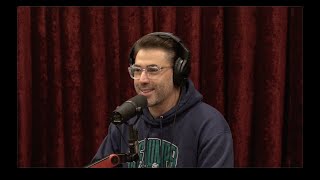 2h 17m⏭ 3
 1h 0m⏭ 1
 33m
33m 46m
46m 3h 54m⏭ 7
 3h 59m⏭ 5
 54m⏭ 1
 1h 13m
 54m⏭ 2
 58m⏭ 5
 1h 26m
 25m
25m 1h 16m⏭ 2