About this episodeThe conversation explores the intersection of evolutionary biology, speciation, and the ideological erosion of…AI summary
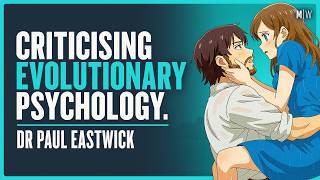
The conversation explores the intersection of evolutionary biology, speciation, and the ideological erosion of science, highlighting how political beliefs increasingly conflict with empirical evidence. Key topics include the biological reality of sex and race, the scientific validity of evolutionary psychology, and the concept of the 'reverse naturalistic fallacy' where ideology dictates perceived biological truths.
Key takeaways 8
Speciation Problem: Darwin did not solve the origin of species (speciation), which is the problem of how continuous evolutionary processes produce discrete, lumpy entities. This is maintained by reproductive isolating barriers (e.g., sterile hybrids, temporal isolation).
American Evolution Acceptance: Only 23% of Americans accept fully naturalistic evolution, while 30% accept theistic evolution and 40% accept creationism. Denying evolution is a 'touchstone of ignorance' on the political right.
Evolutionary Psychology (EP) Maturity: EP has moved from 'just-so stories' to testable, falsifiable hypotheses. It faces opposition from the left because it challenges 'blank slate' theory and implies limits on behavioral malleability.
Ideological Erosion of Science: Six key areas are being misrepresented by ideology: 1) More than two sexes, 2) Race is a social construct with no biological basis, 3) No biological sex differences, 4) Indigenous science equals modern science, 5) No genetic basis for behavioral differences, 6) Denial of heritability.
Reverse Naturalistic Fallacy: The belief that 'nature is how you want it to be.' If a political ideology requires infinite malleability or binary rejection, nature must conform to that view, leading to the denial of empirical facts like genetic differences between populations.
Genetic Clusters: Self-identified races correspond to genetic clusters with ~99.9% accuracy (e.g., 23andMe), proving biological differences exist between human groups despite admixture.
Speciation Timeline: Speciation in fruit flies takes 1-2 million years. Humans and Neanderthals interbred successfully (fertile hybrids), suggesting they were not fully separate species or had recently diverged.
Adaptive Traits: Skin pigmentation is adaptive (protection vs. Vitamin D). Body shape in cold climates follows Allen's Rule (shorter limbs to conserve heat). Tibetan hemoglobin adaptation is a known genetic trait for high altitude.
Notable quotes 5AI-generated: wording and quote attribution may be wrong. Use the play link to verify.
“The fact that creatures are not a spectrum, but they're discrete, more or less discrete entities. That's a problem that Darwin didn't solve.”
▶ 0:46Defining the core problem of speciation and why Darwin's 'Origin of Species' was a misnomer regarding the actual origin of species.
“Only about 23% of Americans accept the fully naturalistic view of evolution... about 71% of Americans reject naturalistic evolution.”
▶ 7:35Citing Gallup poll data to illustrate the low acceptance of evolutionary theory in America.
“The reverse naturalistic fallacy... nature is what you want it to be... nature has to conform to your political sensibilities.”
▶ 52:39Explaining why ideology erodes science: people deny facts because they conflict with desired political or social outcomes.
“If you have somebody's genome, you can basically... tell you what your ancestry is... that shows you right off the bat that there are genetic differences between human groups.”
▶ 25:51Using consumer genetic testing accuracy as evidence against the claim that race is purely a social construct without biological basis.
“Not only were they viable, they were fertile. And we know that because we all carry... Neanderthal genes.”
▶ 30:10Explaining the biological relationship between Homo sapiens and Neanderthals based on modern genetic evidence.
Chapters & Sections (56)▼
0:00The Problem of Speciation and Species Originchapter4
0:00Speciation and the Origin of Species
2:40Species Barriers and Evolutionary Separation
4:07Author's Experience with Creationism and Evolution
5:22Evolution as a Scientific Fact
7:10Evolution Acceptance in Americachapter2
7:10Evolution Acceptance in the United States
8:38Evolutionary Psychology as a Scientific Field
11:18Criticism of Blank Slate Theory and EPchapter2
 2h 15m⏭ 7
 2h 38m
 1h 12m
 1h 8m⏭ 2
 1h 37m
 2h 32m
 1h 5m
1h 5m 1h 23m
 1h 53m⏭ 5
 58m⏭ 2
 1h 53m⏭ 4
 1h 35m⏭ 4
 1h 6m
1h 6m 2h 4m⏭ 2
 1h 41m⏭ 4
 45m
45m 1h 32m
 3h 14m⏭ 2
 1h 28m⏭ 1
 53m
53m 1h 0m⏭ 1
 1h 28m⏭ 2
 2h 50m⏭ 3
 50m
50m 1h 43m⏭ 4
 1h 0m⏭ 1
 11h 54m
 11h 54m⏭ 8
 6h 26m
 33m
33m 3h 54m⏭ 7
 3h 59m⏭ 5
 9h 11m
 54m⏭ 1
 46m
46m 7h 50m