About this episodeGlobal sperm counts have declined by over 50% in the last 40 years, driven largely by environmental toxins, li…AI summary
Global sperm counts have declined by over 50% in the last 40 years, driven largely by environmental toxins, lifestyle factors, and obesity rather than genetics. Semen quality serves as a critical biomarker for overall male health, correlating with risks for diabetes, heart disease, and mortality, while also being influenced by medication use and varicoceles. Improving fertility requires a holistic approach focusing on reducing toxin exposure, optimizing cardiovascular health, and utilizing advanced reproductive technologies like IVF/ICSI when necessary.
Key takeaways 8
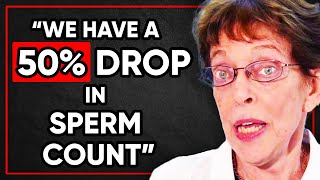
Sperm count decline has accelerated from 1% per year over 50 years to 2% per year over the last 10-20 years, with consensus now established despite earlier methodological controversies.
Semen quality is a strong predictor of long-term health; men with lower semen quality have higher risks of testicular cancer, prostate cancer, heart disease, diabetes, and reduced lifespan (3-5 years less).
Microplastics are ubiquitous in human and animal testes, with studies showing correlations between higher microplastic levels and lower semen quality (count, movement, shape).
Varicoceles affect approximately 15% of men (1 in 7) and are a common correctable cause of infertility; surgical repair improves semen quality in about 70% of cases.
Testosterone therapy lowers sperm production and should be avoided by men seeking fertility; conversely, low testosterone (<300 ng/dL) can contribute to erectile dysfunction.
Erectile dysfunction is primarily vascular (90%) rather than psychological (10%), often serving as an early warning sign for heart disease due to smaller penile blood vessels.
Paternal age impacts fertility: DNA mutations accumulate at a rate of ~2 per year, and the sex ratio shifts toward female births as men age past 70.
ICSI (Intracytoplasmic Sperm Injection) is a revolutionary technology allowing men with azoospermia (no sperm in ejaculate) to become biological fathers by injecting a single sperm directly into an egg.
Notable quotes 5AI-generated: wording and quote attribution may be wrong. Use the play link to verify.
“Anything is good for your heart, it's good fertility.”
▶ 3:16Guest emphasizes the strong link between cardiovascular health and reproductive health.
“It's a vicious cycle where worrying about your sperm production reduces your sperm production.”
Explaining how anxiety and stress negatively impact fertility outcomes.
“If you buy two lottery tickets instead of one, your chance of winning doubles, but still an unlikely event.”
▶ 14:14Guest contextualizes the relative risk of health issues associated with low semen quality to avoid alarming patients.
“We accumulate about two mutations a year [in sperm DNA].”
▶ 31:02Quantifying the biological cost of paternal aging on genetic integrity.
“As long as you have a penis we can always make it hard.”
▶ 43:34Guest offering optimism regarding the treatability of erectile dysfunction.
Chapters & Sections (47)▼
0:00Decline in Global Sperm Countschapter3
0:00Decline in Global Sperm Counts
2:13Environmental Exposures and Male Fertility
3:46Microplastics Impact on Male Fertility
5:49Reducing Exposure to Toxins for Better Fertilitychapter2
5:49Reducing Exposure to Environmental Toxins
7:35Male Fertility and Sperm Quality Analysis
10:03Factors Influencing Male Fertility and Healthchapter2
10:03Factors Influencing Male Fertility and Health
12:29Sperm Quality as Indicator of Overall Health
14:48Evaluating Male Fertility and Medication Interactionschapter3
14:48Evaluating Male Fertility and Medication Interactions
17:16Varicocele Primer and Fertility Optimization
18:27Varicocele Impact on Fertility and Health
20:12Varicocele Treatment and Fertility Outcomeschapter3
20:12Varicocele Treatment and Fertility Outcomes
22:06Men's Reproductive Evaluation Delayed in US
23:19Male Factor Infertility Evaluation and Treatment
25:01Infertility Treatment Options for Menchapter4
25:01Infertility Treatment Options for Men
26:39Improving Sperm Quality in Men
27:54Fertility and Health for Men Discussion
29:05Effects of Paternal Age on Fertility
30:20Male Fertility Decline with Agechapter2
30:20Male Fertility Decline with Age
32:46Impact of Paternal Age on Fertility
34:48Rising IVF Use and Genetic Disease Preventionchapter3
34:48Rising IVF Use and Genetic Disease Prevention
37:00Eyesight and Embryo Selection Ethics
38:16Male Fertility Decline and Testosterone Levels
39:55Penis Length Increasing Over Timechapter3
39:55Penis Length Increasing Over Time
41:41Erectile Dysfunction Causes and Risk Factors
42:53Erectile Dysfunction Causes and Treatment Options
44:37Testosterone Therapy for Erectile Dysfunctionchapter2
44:37Testosterone Therapy for Erectile Dysfunction
46:43Psychogenic Causes of Erectile Dysfunction
49:00Erectile Dysfunction in Younger Men Discussionchapter3
49:00Erectile Dysfunction in Younger Men Discussion
51:23Erectile Dysfunction and Cardiovascular Health
52:37Sleep Impact on Testosterone and Infertility
54:06Stress Impact on Male Fertility and Healthchapter5
54:06Maintaining Reproductive and Sexual Health in Men
55:43Importance of Health and Wellness for Men
57:22Importance of Discussing Urological Issues
58:43Male Fertility Issues and Reproductive Technologies
1:00:13Male Fertility Awareness and Treatment Discussion
 2h 15m⏭ 7
 2h 38m
 1h 12m
 1h 8m⏭ 2
 1h 37m
 2h 32m
 1h 5m
1h 5m 1h 23m
 1h 53m⏭ 5
 58m⏭ 2
 1h 53m⏭ 4
 1h 28m
 1h 15m⏭ 2
 2h 22m⏭ 1
 3h 34m⏭ 2
 1h 1m
1h 1m 1h 31m⏭ 2
 1h 14m
 1h 45m⏭ 4
 1h 33m
 2h 47m⏭ 6
 2h 0m⏭ 1
 1h 53m⏭ 1
 1h 16m⏭ 2
 1h 0m⏭ 1
 33m
33m 46m
46m 3h 54m⏭ 7
 3h 59m⏭ 5
 54m⏭ 1
 1h 13m
 54m⏭ 2
 58m⏭ 5
 45m⏭ 2
 1h 16m⏭ 2
 1h 26m