About this episodeJim Jones discusses his strategic approach to social media virality, viewing public criticism as a marketing t…AI summary
Jim Jones discusses his strategic approach to social media virality, viewing public criticism as a marketing tool that benefits both him and his critics. He reflects on his career trajectory, including alternative paths in basketball, his experiences with the 'rap police' in NYC, and the unique camaraderie of his independent hip-hop collective.
Key takeaways 4
Social Media Strategy: Jim Jones views social media backlash as a 'comic relief' opportunity where he can joke on himself, turning negative attention into viral content that benefits both parties ('You gonna get a bag and you gonna get a bag').
Career Alternatives: Before hip-hop, Jones was a dedicated athlete with offers to play for the Harlem Wizards and potentially in Turkey, but his Caribbean upbringing prioritized education over sports, pushing him toward the streets and eventually rap.
Hip-Hop Police Intel: During the late 90s/early 2000s, specialized 'rap police' units tracked rappers' movements, license plates, and crew details, often following them across the George Washington Bridge to monitor activity.
Independent Brotherhood: Jones highlights the rarity and value of having a 'rich brotherhood' of independent artists (himself, Fabolous, Dave East, Mayo) who maintain unity and support each other's success without corporate interference.
Notable quotes 3AI-generated: wording and quote attribution may be wrong. Use the play link to verify.
“Talk about me. The more you talk about me, win, lose or draw, good or bad, it ends up in my pocket is what I want you to know. This is why I love this digital program and I figured it out. You know what I mean? Like, so I dive into it as opposed to running from it.”
▶ 8:04Explaining his philosophy on handling social media criticism and viral moments.
“I created police. Yeah. Like they started as a gang unit. So the gang unit used to come to the tunnel when I used to go to the tunnel upwards of 50 60 blood members and so they were a special gang and they was trying to figure out whatever they were trying to figure out... same cops that I used to see as the gang unit now all of a sudden was rap police.”
▶ 24:53Describing how law enforcement shifted focus from street gangs to monitoring hip-hop artists as their fame grew.
“It's like we all joining forces and this is so this is what I love about this brotherhood. I've never had a rich brotherhood before. You know what I mean? Like it's it's different. Like we want to go to South of France, book it.”
▶ 47:22Discussing the unique dynamic of his independent rap collective compared to his earlier struggles.
Chapters & Sections (27)▼
0:02Social Media Strategy and Viral Contentchapter2
3:07Hot 97 TV Programming and Branding
5:20Embracing Social Media Virality
8:31Samuel Monroe Jr. Tribute and 90s Hip Hop Classicschapter2
10:56Bike Safety and Show Promotions
12:15Hot 97 Mornings Show Intro and Schedule
14:59Jim Jones: Alternative Careers and Hip-Hop Kingschapter2
17:03Jim Jones Sports Background and Street Life
18:38Hip-Hop Kings and Throne Succession
21:12West Coast Roots and NYC Police Encounterschapter1
23:39NYC Police Bans and Hip-Hop Surveillance
26:51Hip-Hop Police Intel and City Enforcementchapter1
28:51Hip-Hop Police Informants and Past Violence
31:24Hip Hop Jeopardy Game Show Segmentchapter2
33:09East Coast Hip Hop Sample Identification
34:24Heartbeat Song Challenge and Concert Prize
36:06Concert Experiences and Morning Party Planschapter1
38:21Yankee Stadium Night Three Recap and Morning Party Plans
40:52Jim Jones discusses The Landlord and music planschapter2
43:07Jim Jones Morning Show Experience
44:29The Landlord reception and group music plans
46:42Jim Jones on Brotherhood and Hip-Hop Barschapter1
 1h 2m
1h 2m 29m
29m 28m
28m 42m
42m 22m
22m 22m
22m 1h 26m
 55m
55m 24m
24m 21m
21m 50m
50m 41m
41m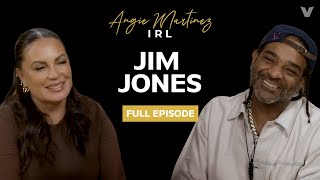 1h 9m
1h 9m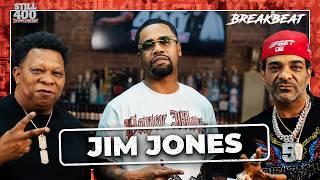 1h 18m⏭ 2
 1h 42m
 22m
22m 1h 41m
 1h 1m⏭ 2
 49m
49m 37m
37m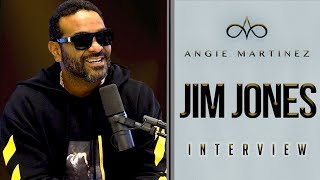 30m
30m 23m
23m 32m
32m 2h 55m
 1h 12m⏭ 1
 2h 57m
 1h 8m
1h 8m 49m
49m 1h 53m
 54m
54m 1h 22m
 4h 20m
 2h 28m⏭ 4
 56m
56m 3h 49m
 1h 44m
 1h 43m⏭ 4
 11h 54m
 1h 0m⏭ 1
 11h 54m⏭ 8
 33m
33m 6h 26m
 3h 54m⏭ 7
 9h 11m
 3h 59m⏭ 5
 46m
46m 54m⏭ 1
 54m⏭ 2