About this episodeRyan Garcia and Ariel Helwani discuss the fallout from Garcia's 'D1 Glazer' comment on Helwani's podcast, reve…AI summary
Ryan Garcia and Ariel Helwani discuss the fallout from Garcia's 'D1 Glazer' comment on Helwani's podcast, revealing it was an unedited moment from a WWE vlog that caused personal hurt. Helwani shares his career origin story, detailing how he left a stable TV production job to build the MMA Hour by interviewing fighters daily via MySpace, emphasizing the importance of taking bold leaps in one's career. The conversation also covers current sports news, including speculation about a UFC fight at the White House, Jon Jones' contract negotiations, and Jake Paul's legal strategy against rigging allegations.
Key takeaways 5
Helwani's career strategy involved identifying a gap in the market (lack of professional MMA interviews) and filling it by being the first to offer high-quality, suit-wearing reporters with dedicated cameramen, contrasting with the primitive coverage of the early 2000s.
Helwani advises taking bold career leaps by asking 'what is missing' in a niche and doing the opposite of what everyone else is doing to stand out, citing his decision to quit a production coordinator role at Spike TV after one week because it lacked creativity.
Garcia's 'D1 Glazer' comment was not a calculated gimmick but an accidental inclusion in a vlog due to an editor missing a note to remove it, highlighting how digital content can have unintended long-term reputational consequences.
Helwani maintains journalistic integrity by refusing payment from promoters for hosting press conferences, arguing that accepting money would compromise his ability to remain unbiased and critical.
Garcia believes accountability is crucial for public figures; hiring attorney Alex Spiro to sue those claiming his fights are rigged is a strategic move to protect business credibility and draw a line against unfounded criticism.
Notable quotes 5AI-generated: wording and quote attribution may be wrong. Use the play link to verify.
“I want to be the Howard Kosell... I want to be the guy. I want to be the Howard Kosell is what I said to them. Howard Kosell was the voice of boxing in the 70s and 80s.”
▶ 13:00Helwani explaining his early ambition to become the definitive voice of combat sports journalism.
“You only get one shot at this. So I don't want to wake up when I'm 80 and be like damn I should have zigged when I zagged.”
▶ 16:58Helwani's philosophy on taking risks and pursuing unconventional career paths.
“I think he needs to just like find yourself and stop trying to like please the crowd for your own personal validation... we're watching like a midlife crisis happen.”
▶ 32:25Garcia's critique of John Cena's recent heel turn and subsequent return to being a babyface at WrestleMania.
“I don't think a journalist should be up there sort of shilling for the show... I don't want to get paid by promoters cuz I think that that would make me compromise as a journalist.”
▶ 55:37Helwani explaining why he hosts press conferences for MVP but refuses payment, maintaining his independence.
“If he steps in the ring with him and actually a bell rings and there are punches thrown, every bit of Jake Paul is not a real boxer conversation is gone forever.”
▶ 1:09:21Helwani's assessment of Jake Paul's potential fight with Anthony Joshua.
Chapters & Sections (56)▼
0:00UFC News and Rumors Discussionchapter3
0:00UFC News and Rumors Discussion
1:47Argumentative Conversation with Logan Paul
3:02WWE Star's Unprofessional Interaction with Fan
5:46Disagreement Over Editing and Communicationchapter4
5:46Disagreement and Miscommunication in a Team
7:00Disagreement Over D1 Glazer Label
8:30WWE Merchandise Collaboration Discussion
9:40Comedian Discusses Podcast and Guest Appearance
 1h 36m⏭ 3
 54m⏭ 2
 1h 8m⏭ 2
 1h 51m⏭ 3
 1h 22m⏭ 2
 1h 26m⏭ 1
 1h 18m⏭ 1
 1h 33m⏭ 2
 2h 22m⏭ 3
 1h 16m⏭ 2
 1h 13m⏭ 2
 1h 36m⏭ 1
 1h 29m
 2h 24m⏭ 3
 1h 3m
1h 3m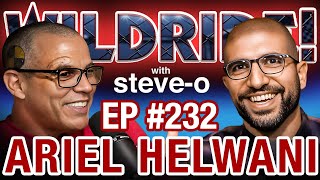 1h 25m⏭ 3
 1h 9m⏭ 4
 1h 14m⏭ 3
 1h 44m⏭ 3
 1h 5m⏭ 4
 1h 34m⏭ 5
 24m
24m 19m
19m 2h 36m⏭ 3
 1h 0m⏭ 1
 33m
33m 46m
46m 3h 54m⏭ 7
 3h 59m⏭ 5
 54m⏭ 1
 1h 13m
 54m⏭ 2
 1h 26m
 45m⏭ 2
 58m⏭ 5
 25m
25m