About this episodeBattle Cat, Razz Cass, and The Poetess provide a detailed oral history of West Coast hip-hop, focusing on the …AI summary
Battle Cat, Razz Cass, and The Poetess provide a detailed oral history of West Coast hip-hop, focusing on the formation of N.W.A, Tupac Shakur's career trajectory, and the pivotal role of KDAY radio. The conversation highlights the importance of personal accountability in artistry, the complexities of gang culture versus artistic expression, and the enduring friendships and rivalries that shaped the genre.
Key takeaways 5
N.W.A's credibility was initially questioned because members like Ice Cube and Dr. Dre were not perceived as 'street' figures, but their authenticity grew as they became a voice for the unheard, eventually earning respect from actual gang members.
Tupac Shakur's embrace of gang culture at Death Row Records was viewed by Battle Cat as a tragic choice made too late in life; he advises that joining gangs at 17 or older is dangerous because the foundational decisions are made at ages 12-15.
KDAY radio, driven by DJs like Greg Mack and Roger Clayton, was instrumental in bridging East and West Coast hip-hop, breaking artists like Run-DMC in LA and creating a unified national rap culture.
Battle Cat's early career was defined by mentorship from legends like Dr. Dre and connections through Digital Underground, allowing him to navigate the industry while maintaining artistic integrity.
The transition from local credibility to national fame required artists to have a 'believability' factor rooted in their neighborhoods, as there was no internet to fabricate personas.
Notable quotes 5AI-generated: wording and quote attribution may be wrong. Use the play link to verify.
“If you're not born here and you're not 17 or over, don't step into a gang. It's too late. Those are decisions that we make at 12, 13, 14, 15, 16.”
▶ 25:55Battle Cat reflecting on Tupac's involvement with gang culture and offering advice on why late entry into gangs is dangerous.
“We were the poets, the bards... we were required to have some degree of responsibility to be real about what we were dealing with... not to have done it all.”
▶ 10:58Battle Cat explaining the role of early hip-hop artists as storytellers and griots who documented street life without necessarily participating in all of it.
“L.A. is like the Venus flytrap... it looks pretty and then it'll trick you and he gets wiped.”
▶ 29:33Battle Cat comparing New York's overt hardness to Los Angeles' deceptive beauty, warning newcomers about the dangers of the LA scene.
“KDAY played their music and they performed at the Uncle Jam's Army function... the next day they sold over 12,000 copies.”
▶ 31:06The Poetess highlighting KDAY's impact on breaking East Coast acts like Run-DMC in the West Coast market.
“I just wanted to ride this [__] out and I'm gonna go full 100 percent ride on whoever whoever I feel wrong to me... he was loyal to that team.”
▶ 9:36Battle Cat describing Tupac's mindset after his release from prison, feeling he had nothing left to lose and was fully committed to his alliances.
Chapters & Sections (42)▼
0:06Hip-Hop History and West Coast Legendschapter9
0:06Hip-Hop History Discussion with DJ Battle Cat
1:57DJ Equipment and Studio Principles Shared
3:18NWA's Early Exposure through Concert Promotion
4:32NWA Formation and Dr. Dre's Rise
5:53Authenticity of Street Rap Artists
7:27Egos and Identity in the Music Industry
8:47Rap and Hip-Hop Personal Growth and Accountability
10:00West Coast Hip-Hop Authenticity and Responsibility
12:07Shock G and King Tech's Early Meeting
14:23Tupac's Early Life and Career Influenceschapter3
14:23Tupac's Early Career and Personal Life
16:21Tupac's Leadership and Respect from Fellow Artists
18:29Argument at Recording Studio Over Favorite Room
20:58Tupac's Early Career and Influenceschapter2
20:58Tupac's Early Opportunities and Mentorship
22:37Rapper's Near-Death Experience with Thug Life
25:20Tupac's Life Choices and Gang Involvementchapter2
25:20Tupac's Life Choices and Gang Involvement
27:32Gang Life and the Dangers of Joining
30:11KDAY Radio Station History and Impactchapter2
30:11KDAY's Impact on West Coast Hip-Hop
32:06Nightlife in New York City in the 80s
35:04Early Days of Hip Hop Culturechapter1
35:04Early Days of Hip Hop Culture
39:35Artist Reflects on Early Career and Influenceschapter3
39:35Artist Reflects on Career and Personal History
42:27Music Industry and Cultural Appropriation
44:07Music Industry Mentorship and Career Advancement
45:50Artist Discusses Upcoming Music and Film Projectschapter3
45:50Artist Appreciation and Gratitude to Supporters
47:16Rapper Talks About Twins and Dog
48:32Rapper's Early Life and High School Rivalries
52:09Former Friends Discuss Past Conflict and Reconciliationchapter2
52:09Disagreement and Past Conflict Discussion
54:59Celebrating Snoop Dogg's Resilience and Success
56:55Nostalgic Memories of Early Music Careerchapter1
56:55Conversation about Music Industry Experiences
1:02:13Friendship and Support in the Music Industrychapter3
1:02:13Friendship and Past Relationship Issues
1:04:22Hip-Hop Education Center Success and Future Plans
1:05:43Celebrating Hip-Hop Pioneers and Black Culture
 1h 19m
 49m
49m 58m
58m 43m
43m 39m
39m 54m
54m 39m
39m 36m
36m 46m
46m 36m⏭ 1
 30m
30m 29m
29m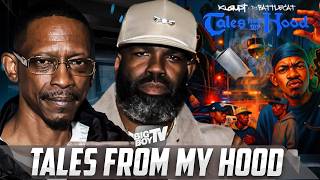 51m
51m 1h 55m⏭ 1
 26m
26m 25m
25m 26m
26m 1h 16m
 2h 49m
 2h 41m
 2h 15m
 1h 55m
 48m
48m 6h 26m
 2h 30m⏭ 1
 1h 32m
 1h 42m
 1h 49m⏭ 2
 1h 7m
1h 7m 1h 6m
1h 6m 11h 23m⏭ 1
 33m
33m 1h 0m⏭ 1
 46m
46m 3h 54m⏭ 7
 48m⏭ 2
 3h 59m⏭ 5
 1h 13m
 25m
25m 54m⏭ 1
 58m⏭ 5