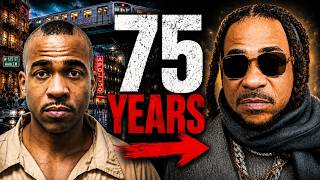
About this episodeShaka Sangor shares his journey from serving 19 years in prison, including seven years in solitary confinement…AI summary
Shaka Sangor shares his journey from serving 19 years in prison, including seven years in solitary confinement, to becoming a best-selling author and resilience expert. He emphasizes that literacy and self-reflection were the primary tools that allowed him to survive incarceration and transform his life, arguing that society must address the systemic issues of prison reform and the normalization of violence. The conversation highlights the universality of emotional struggles, asserting that everyone faces 'hidden prisons' of shame, anger, and grief that require intentional work to overcome.
Key takeaways 6
Literacy is a critical factor in prison survival and recidivism reduction: 70% of incarcerated individuals read below a fourth-grade level, yet those who gain literacy have only a 16% recidivism rate compared to 70% for those who remain illiterate.
Solitary confinement is psychologically damaging and inhumane; Sangor spent seven years in it, describing it as a place of madness where communication is stripped away, forcing inmates to create elaborate methods (like fish lines and toilet water leaks) to maintain human connection.
Anger is often a secondary emotion masking deeper issues like shame or trauma; Sangor realized his perpetual anger in prison was rooted in suppressed shame from childhood abuse and betrayal, and healing required separating what he was responsible for versus what was done to him.
Society normalizes gun violence until it happens to someone close; Sangor notes that after his brother was shot, gun violence shifted from a crisis to a normalized part of his community's reality, preventing intervention opportunities.
Forgiveness is primarily for the self, not the perpetrator; Sangor received a letter from the family of the man he killed and later from the man who shot him (who didn't know he was the shooter), using these moments to practice letting go of revenge and reclaiming his own peace.
The 'hidden prisons' are emotional states like shame, lack of forgiveness, and anger that trap people just as effectively as physical incarceration; these are often ignored because people feel their pain isn't 'bad enough' compared to others.
Notable quotes 5AI-generated: wording and quote attribution may be wrong. Use the play link to verify.
“I was certain that I was going to die in prison. When I was 17 years old, I got shot multiple times. I wasn't safe unless I had a gun. Found myself in conflict and I fired four shots that caused a man's death.”
▶ 0:00Sangor introduces his backstory, highlighting how trauma and lack of safety led to a life-altering violent act.
“I wouldn't have survived that without being literate. I was reading all of these philosophy books, started journaling and asking these hard questions of like, how did my life end up here?”
▶ 0:32Explaining the pivotal role reading played in his psychological survival during solitary confinement.
“If I can get through the pain of the moment, I can come out on the other side of anything.”
▶ 0:40A core mantra Sangor developed to navigate the extreme difficulty of solitary confinement.
“Society has got us into a space where we're like, 'I can't talk about my shame.' No, that's your hidden prison. You deserve to get out of that, too. We're all deserving of the best of what it means to be human.”
▶ 0:49Defining the concept of 'hidden prisons' as emotional barriers we create by suppressing our pain due to comparison with others.
“The unexamined life isn't worth living... That's when I started journaling and asking these like hard questions... how did my life end up here?”
Referencing Socrates as the catalyst for his self-reflection and transformation while in solitary.
Chapters & Sections (58)▼
0:00Breaking Free from Life's Hidden Prisonschapter2
2:15Breaking Free from Life's Hidden Prisons
3:41Childhood Trauma and Addiction
5:58The Normalization of Gun Violence in Communitieschapter1
9:25The Devastating Effects of Long-Term Incarceration
10:50Breaking Free from Mental Prisonchapter1
13:26Breaking Free from Emotional Prison
15:58Life in Solitary Confinement and Incarcerationchapter1
18:38Breaking Free from Prison Mentality
21:05The Power of Literacy in Prison Reformchapter1
22:42The Harsh Reality of Solitary Confinement
26:18Life in Solitary Confinement: Harsh Conditionschapter1
29:29Creative Communication in Isolation
31:38The Power of Literacy in Overcoming Traumachapter2
33:52The Power of Spirituality in Personal Growth
35:27Finding Freedom from Mental Prison
37:08Breaking Free from Negative Thought Patternschapter2
40:01Preparing Mind for Freedom from Solitary Confinement
41:43Self-Publishing and Overcoming Creative Obstacles
44:23Creative Freedom in Prison: Law and Literaturechapter1
46:44Breaking Free from Prison Life and Society
51:52Breaking Free from Societal Expectations and Prejudiceschapter1
55:25Parental Incarceration's Impact on Children's Mental Health
56:51Breaking Free from the Consequences of Incarcerationchapter5
1:00:00Breaking Free from Limitations and Pursuing Passion
1:01:51Breaking Free from Prison's Mental Shackles
1:03:45Breaking Free from Mental Prison
1:05:30The Power of Unexpected Connections and Opportunities
1:07:10Breaking Free from Mental Prison
1:09:01Breaking Free from Solitary Confinement's Psychological Effectschapter1
1:10:59Breaking Free from Mental and Emotional Prison
1:14:16Navigating Uncertainty in Turbulent Timeschapter2
1:16:17Breaking Free from Emotional Prison
1:17:36Balancing Grief and Universality in Writing
1:19:24Unpacking and Coping with Grief and Losschapter2
1:21:06Breaking Free from Hidden Prisons of Shame
1:23:31Breaking Free from Hidden Emotional Prisons
1:24:53Discovering the Identity of a Childhood Traumachapter1
1:28:07The Power of Forgiveness in Personal Growth
1:29:42The Power of Forgiveness in Healing Relationshipschapter2
1:32:06Receiving Forgiveness and the Power of Empathy
1:34:34The Power of Self-Reflection and Acceptance
1:36:17Breaking Free from Childhood Trauma and Betrayalchapter4
1:38:37Regret and Unchecked Emotions in Life
1:40:36Managing Anger and Emotions for Freedom
1:42:44Debunking a Trainer's Account of a Dog's Death
1:44:24Overcoming Anger and Embracing Emotional Honesty
1:46:52Managing Anger and Unchecked Emotionschapter1
1:49:21Breaking Free from Past Trauma and Shame
1:52:41Adjusting to Life After Incarcerationchapter1
1:54:22Reintegrating into Society after Incarceration
1:57:45Finding Joy and Purpose in Lifechapter1
1:59:43Breaking Down the Prison Industrial Complex
2:03:08Prison Reform and Rehabilitation Strategieschapter4
2:05:03Critique of Privatized Prisons and Labor Practices
2:06:42Breaking Free from Mental Prison
2:10:12Breaking Free from the Brutality of the System
 2h 19m⏭ 3
 1h 41m⏭ 2
 1h 59m⏭ 4
 1h 31m⏭ 3
 1h 57m⏭ 2
 1h 46m⏭ 2
 2h 9m⏭ 2
 2h 26m⏭ 3
 1h 51m⏭ 5
 1h 33m⏭ 2
 1h 42m⏭ 2
 1h 23m⏭ 3
 1h 14m
 48m
48m 22m
22m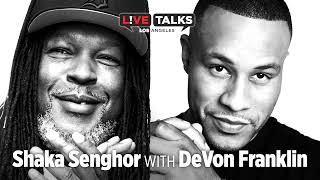 1h 4m⏭ 1
 28m
28m 2h 43m⏭ 1
 1h 49m⏭ 2
 2h 20m⏭ 1
 20h 40m⏭ 10
 1h 8m
1h 8m 2h 15m
 1h 10m
 1h 47m
 15m
15m 1h 58m⏭ 6
 1h 59m⏭ 3
 1h 52m⏭ 3
 40m
40m 1h 43m⏭ 4
 11h 54m
 1h 0m⏭ 1
 11h 54m⏭ 8
 33m
33m 6h 26m
 3h 54m⏭ 7
 9h 11m
 3h 59m⏭ 5
 46m
46m 7h 50m
 54m⏭ 1