About this episodeGloria Steinem reflects on her life as a feminist icon, detailing how an early illegal abortion enabled her tr…AI summary
Gloria Steinem reflects on her life as a feminist icon, detailing how an early illegal abortion enabled her travel to India, which exposed her to global perspectives and racial segregation in America. She discusses the critical role of Black women in the feminist movement, the physical necessity of in-person activism for building empathy, and her personal regrets regarding her mother and the societal constraints placed on women's bodies and choices.
Key takeaways 5
The ability to plan ahead is a distinct marker of class; wealthy families plan for generations while working-class individuals often plan only for the next week.
In-person physical presence is neurologically distinct from digital or printed communication; being in a room together produces oxytocin, which fosters empathy and understanding in ways that reading or screens cannot.
Black women have historically supported feminist equality at higher rates than white women (60% vs 30% in early polls), yet their contributions are often overlooked in historical narratives.
Public figures in movements often face 'crabs in the basket' syndrome or 'tall poppy syndrome' from allies who resent their visibility, a painful but common experience for movement leaders.
The Equal Rights Amendment faced opposition primarily from the insurance industry, which relied on sex-segregated actuarial tables that charged women higher premiums than men for the same risk factors.
Notable quotes 5AI-generated: wording and quote attribution may be wrong. Use the play link to verify.
“Something happens when you're in a room physically with other people that can't happen on the printed page... you don't produce oxytocin... from the page, much as I love books, or from the screen.”
▶ 0:15Steinem explains why public speaking and physical organizing were essential to the movement's success, citing neurobiological reasons for empathy.
“The ability to plan ahead is a measure of class because well-to-do families are perhaps planning for even generations forward. Whereas working people, poor people are just planning for the next week.”
▶ 10:42A reflection on how economic stability dictates one's capacity for long-term life planning.
“I regret that she couldn't live her own life... she had been a journalist, a pioneering, very early journalist... In the beginning, writing in a man's name.”
▶ 28:45Steinem expresses deep regret that her mother, a pioneering female journalist, was unable to live independently or pursue her career due to societal and familial constraints.
“When I came home from India... I suddenly realized what I should have realized before, which is how segregated we are... I got mad on my own behalf. How dare they tell me who my friends are and who my neighbors are.”
▶ 15:00Describing the moment she recognized racial segregation in America after experiencing diversity in India, sparking her political anger.
“Dear goddess, I pray for the courage to walk naked at any age, to wear red and purple, to be unladylike, inappropriate, scandalous, and incorrect to the very end.”
▶ 1:00:13A poem Steinem wrote about aging and refusing to conform to societal expectations of how women should behave as they grow older.
Chapters & Sections (27)▼
0:07Gloria Steinem's Early Abortion Experiencechapter2
2:18Dedication to Dr. John Sharp
4:10Desperation and Myths of Illegal Abortion
6:10Childhood, India, and Class Planningchapter1
9:22Writing for Indian Newspapers and Class Planning
11:04Feminism, India Travel, and Racial Segregationchapter1
14:06Formative Job and Racial Awareness
16:12Black Women's Feminism and Public Perceptionchapter2
18:12Black Women's Feminist Support
19:39Gender Bias in Media Portrayal of Women
22:22Public Figure Weight and Family Regretschapter3
23:59Oxytocin and In-Person Empathy
25:42Misunderstanding and Internal Criticism
27:06Regrets Over Mother's Career and Intimacy
29:29Comparing Lives and Romantic Relationshipschapter1
32:08Reward of Impact vs Money and Romance
34:35Feminism, Motherhood, and Agingchapter2
37:17Unfulfilling Romance and Therapy Realization
39:17Becoming Oneself After 50
40:57Writing about women and marriage for legal statuschapter1
43:37Marriage for Legal Status and Cherokee Ceremony
46:38Mortality, Near-Death Experiences, and the ERAchapter1
49:11Cultural Views on Death and the ERA
51:50Equal Rights Amendment and 2016 Electionchapter1
54:26ERA Opposition and 2016 Election Hope
56:53Activism, Electoral College, and Legacychapter1
 1h 11m⏭ 1
 1h 12m⏭ 2
 1h 57m⏭ 1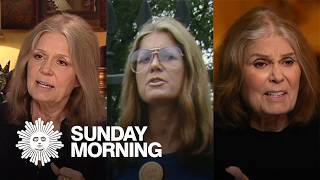
 2h 7m⏭ 2
 2h 21m⏭ 2
 2h 27m⏭ 2
 7h 55m⏭ 2
 2h 36m
 2h 53m
 2h 28m⏭ 4
 1h 13m
 1h 20m
 54m
54m 1h 3m
1h 3m 46m⏭ 1
 1h 0m⏭ 1
 33m
33m 3h 59m⏭ 5
 46m
46m 3h 54m⏭ 7
 54m⏭ 1
 1h 13m
 9h 11m
 1h 26m
 54m⏭ 2
 6h 26m
 58m⏭ 5