About this episodeThe guest discusses breaking the cycle of violence and retaliation in ghetto culture by choosing forgiveness o…AI summary
The guest discusses breaking the cycle of violence and retaliation in ghetto culture by choosing forgiveness over ego-driven revenge, specifically after his brother's murder. He highlights how systemic issues, including the prison-industrial complex and internal community programming, perpetuate generational incarceration and poverty. The conversation emphasizes that true redemption involves using resources to uplift family and community rather than maintaining a criminal facade.
Key takeaways 5
In ghetto culture, revenge is often viewed as more important than life itself, driven by an ego that values dying for a brother over living for his children and mother.
The guest realized that forgiving his brother's killer was not weakness but a strategic choice to 'live for' his family, providing stability and example where death would have only caused more loss.
The prison system functions as an economic engine for small towns, creating communities built around incarceration with nepotistic hiring practices that benefit prison staff families while draining resources from the communities of origin.
Internal community programming teaches black boys to suppress emotion and value toughness, creating a cycle where ignorance and criminal behavior are worn as badges of honor.
Education and relocation are identified as the primary methods for deprogramming individuals from these environmental constraints, allowing them to access broader opportunities and return as strongholds for their families.
Notable quotes 5AI-generated: wording and quote attribution may be wrong. Use the play link to verify.
“Nothing is more important in the ghetto Than Revenge. Revenge is King... the ego killed more black men than any other disease.”
▶ 0:54Explaining the cultural pressure to retaliate for violence, even at the cost of one's own life.
“I'm going to live for my brother my grandma my brother kids my mama I'm going to live for them because don't nobody talk about that.”
▶ 1:40The guest's rationale for forgiving his brother's killer, shifting focus from vengeance to sustaining the family line.
“In order to really take somebody to another level you got to have time energy and resources to deprogram them so you can reprogram them.”
▶ 7:58Describing the difficult process required to break generational cycles of incarceration and poverty.
“We building communities... prisons... then a gas station they build a gas station then the Walmart Park up then a hotel pop up.”
Illustrating how the prison-industrial complex creates economic dependence in small towns based on incarceration rates.
“The fish is only going to get so big if the tank is not conducive for it to grow... if you take that tree out of a tub and let it grow in a 50 acre field it can flourish.”
▶ 8:47Using an analogy to explain how environmental constraints limit personal growth and potential.
Chapters & Sections (36)▼
0:00The Importance of Forgiveness in Ghetto Culturechapter4
0:00Confronting a Large Group After a Tragic Death
0:33Planning a Meeting in a Public Setting
0:54The Importance of Revenge in Ghetto Culture
1:25Choosing Life Over Revenge and Death
2:10The Power of Forgiveness and Personal Redemptionchapter2
2:10The Power of Forgiveness and Ego
2:39Childhood Trauma and Sense of Responsibility
3:46Overcoming Cycle of Violence and Retaliationchapter2
3:46Racial Profiling and Police Brutality Fears
4:36Cycle of Retaliation and Family Relationships
5:49Overcoming Adversity and Self-Doubt from Childhoodchapter2
5:49Overcoming Adversity and Self-Doubt
6:32Environmental Limitations on Personal Growth
7:21Breaking Down Systemic Racism and Self-Doubtchapter3
7:21Criticism of Black Community Without Solutions
8:13Childhood Emotional Suppression and Programming
8:36Environmental Constraints and Personal Growth
9:23Importance of Education in Personal Growthchapter3
9:23Benefits of Education and Cultural Exposure
9:59Importance of Education in Low-Income Communities
 2h 14m⏭ 2
 1h 36m⏭ 3
 2h 2m⏭ 3
 2h 18m⏭ 4
 3h 14m⏭ 1
 2h 14m⏭ 1
 2h 49m⏭ 5
 2h 43m⏭ 1
 1h 47m⏭ 4
 2h 49m⏭ 1
 2h 50m⏭ 3
![Deon Cole [CLEAN] Dated Shaq's Ex, Wrote For Diddy, Katt Williams & Talks Kevin Hart, Paul McCartney](https://img.youtube.com/vi/KQWyslsMc9E/mqdefault.jpg) 2h 19m⏭ 3
2h 19m⏭ 3 1h 49m⏭ 2
 2h 20m⏭ 1
 20h 40m⏭ 10
 1h 8m
1h 8m 2h 15m
 1h 10m
 2h 52m⏭ 5
 2h 46m⏭ 1
 29m
29m 40m
40m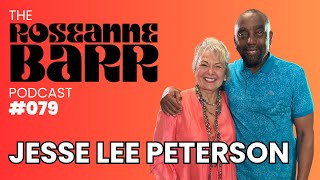 1h 41m⏭ 3
 1h 2m
1h 2m 11h 23m⏭ 1
 33m
33m 1h 0m⏭ 1
 46m
46m 48m⏭ 2
 3h 54m⏭ 7
 3h 59m⏭ 5
 1h 16m
 54m⏭ 1
 1h 13m
 38m
38m 54m⏭ 2