About this episodeLegal experts analyze the Lindsay Clancy trial, concluding that the prosecution failed to meet its burden of p…AI summary
Legal experts analyze the Lindsay Clancy trial, concluding that the prosecution failed to meet its burden of proving premeditated murder due to overwhelming evidence of postpartum psychosis and systemic medical failures. The defense successfully framed the case as a failure of the medical industrial complex rather than criminal intent, using emotional connection and expert testimony to neutralize prosecution claims of rational goal-directed behavior.
Key takeaways 6
The prosecution's strategy of arguing 'psychotic premeditation' was ineffective because it contradicted the natural human instinct that mothers do not kill their children unless severely mentally ill.
The defense successfully shifted the trial's focus from Lindsay Clancy's actions to the 'medical industrial complex' failure, highlighting how doctors dismissed her repeated pleas for help with dismissive responses like 'Are you psychotic?'
Kevin Readington's defense strategy relied on humanizing Lindsay by calling her 'kid' and emphasizing her visible deterioration in journal entries, contrasting this with the prosecution's lack of emotional connection.
The Massachusetts jury selection process was criticized as 'brutal' and inefficient, where jurors are unaware they are alternates until the very end, creating unnecessary stress and uncertainty.
Forensic expert Dr. Abram Mack's adversarial behavior during testimony undermined his credibility, as his refusal to answer questions straightforwardly played into the defense's narrative of prosecutorial manipulation.
The justice system is ill-equipped for mental health cases, treating binary conduct issues rather than addressing the nuance of psychosis where a person may understand the world but lose the ability to understand the character and quality of their conduct.
Notable quotes 4AI-generated: wording and quote attribution may be wrong. Use the play link to verify.
“You can't see a mental health issue. It's not like a cut that you can suture. You have to dig in deep and just allowing Lindsay to sort of self-report and then turning around and blaming Lindsay when she says... I omitted that.”
▶ 12:16Critique of how the medical system handled Lindsay's self-reporting and subsequent blame for her actions.
“When you quote unquote hear voices, that's not what is meant by that. You don't necessarily hear a specific voice with a tone and a tenor... It's a thought. It's a feeling. It's overwhelming you if you are in the clutches of a psychotic episode.”
▶ 13:31Explanation of how psychosis actually functions, debunking the prosecution's argument about inconsistent 'voices'.
“We do not as a society, as a civilized society, we do not criminalize illness. And this young lady, this kid, she was ill.”
▶ 27:49Defense attorney Kevin Readington's closing argument theme regarding mental health and criminal responsibility.
“The Massachusetts investigative complex is an absolute abject disaster... It's one after another after another.”
▶ 41:27Commentary on the broader failures of law enforcement investigations in Massachusetts, referencing multiple high-profile cases.
Chapters & Sections (23)▼
0:00Prosecution's Manipulation and Medical System Failurechapter3
2:29Medical System Failure and Psychiatric Neglect
4:11Jury Dynamics and Trial Strategy
6:08Strategic Juror Engagement in Courtroom Arguments
8:13Prosecution's Burden and Mental Health Defensechapter3
10:21Prosecution's Case Strength and Juror Outlook
11:57Misunderstanding Psychotic Voices
14:50Jury Verdict Prediction and Mental State
17:08Medical System Failure and Justice System Limitationschapter1
19:53Readington's Prior Representation of McCabe
22:10Massachusetts Jury Selection and Closing Argumentschapter1
25:13Importance of Storytelling in Closing Arguments
27:08Closing Arguments: Defense Empathy vs Prosecution Impactchapter2
29:41Prosecution Closing Argument Impact
31:16Mental Illness and Justice System Failure
33:47Postpartum Psychosis Defense and Expert Testimonychapter1
35:42Psychosis Defense and Expert Testimony Analysis
38:36Investigation Failures and Jury Instructionschapter1
41:34Miles King Trial Updates and Karen Reed Civil Timeline
43:59Prosecutorial Overreach and Jury Deliberationschapter3
45:42Criminal Trial Preparation and Prosecution Burden
47:35Psychosis Defense and Murder Verdict Prediction
 53m⏭ 2
 24m
24m 51m
51m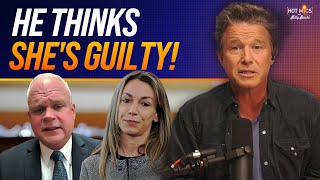 21m
21m 20m
20m 52m
52m 1h 12m⏭ 4
 29m
29m 21m
21m 18m
18m 17m
17m 15m
15m 4h 4m
4h 4m 9h 11m
 2h 56m⏭ 4
 5h 30m
 6h 26m
 5h 49m⏭ 2
 1h 1m⏭ 1
 1h 42m
 1h 28m⏭ 2
 59m
59m 29m⏭ 1
 1h 36m⏭ 2
 11h 23m⏭ 1
 33m
33m 3h 54m⏭ 7
 1h 0m⏭ 1
 46m
46m 48m⏭ 2
 3h 59m⏭ 5
 1h 13m
 54m⏭ 1
 25m
25m 45m⏭ 2
 1h 16m⏭ 2