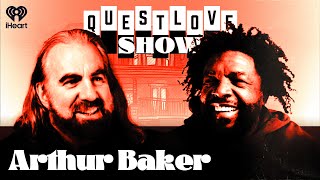
About this episodeThe guest discusses using songwriting as a primary mechanism for processing grief, trauma, and the loss of his…AI summary
The guest discusses using songwriting as a primary mechanism for processing grief, trauma, and the loss of his father, contrasting it with ineffective traditional therapy. He shares how writing about personal pain allowed him to find closure, understand his parents' struggles with addiction, and overcome the fear of becoming a father himself. The conversation highlights how sharing these vulnerable stories on stage creates a communal healing experience for audiences facing similar losses.
Key takeaways 5
Songwriting serves as a functional substitute for therapy, allowing the guest to articulate complex emotions like grief that are difficult to express verbally in traditional settings.
The guest's father left intentional letters and home videos that provided a unique form of closure, allowing the guest to feel connected to him even after death.
The guest reframes his traumatic upbringing (abusive alcoholic mother) not as a permanent ruin but as a catalyst for his current success and marriage, finding lessons in every negative experience.
Confronting the fear of fatherhood was resolved by realizing that presence and effort matter more than having a perfect role model; the guest accepts he can be a great father despite his own lack of one.
Publicly discussing grief at concerts creates a 'small room' feeling among large audiences, validating their pain and reducing isolation for fans who bring ashes or mementos to shows.
Notable quotes 5AI-generated: wording and quote attribution may be wrong. Use the play link to verify.
“I don't do therapy, I write songs.”
▶ 1:33Explaining why songwriting is his primary coping mechanism for processing emotions.
“It was such a privilege to be able to be your father... it wasn't like you're the best kid... it was with intent to end.”
▶ 10:51Describing the content of the letter his father left him, which focused on the privilege of parenthood rather than just praise.
“I started to forget the way my dad smelt. I started to forget the way that he looked or sounded because I ran away from it and I didn't talk. And every song that I sing keeps my family alive.”
▶ 23:23Explaining how music prevents the fading of memory and keeps the connection with deceased loved ones active.
“I think that now that I've become a successful musician... I can give a lot of people a sense that it gets better, you know, even though it doesn't it gets manageable.”
▶ 19:36Reflecting on his responsibility as an artist to show others that life after trauma is survivable.
“No matter what my living situation is... it doesn't erase the fact that I can provide an amazing life to a child just with being there for them.”
▶ 21:15A key realization about fatherhood that alleviated his fear of repeating his parents' mistakes.
Chapters & Sections (12)▼
0:00Songwriting as Emotional Therapy and Grief Processingchapter2
2:20Childhood Grief and First Songwriting
4:27Overcoming Stage Fright and Bullying
6:26Grief, Music, and Father's Letterschapter4
8:43Reading Father's Letter at Grave
10:18Analyzing Father's Final Letter Content
11:53Overcoming Abusive Home and Parental Grief
13:46Finding Meaning in Trauma and Grief
16:05Grief, Music as Therapy, and Fatherhoodchapter3
 33m
33m 1h 12m
 26m
26m 21m
21m 52m
52m 14m
14m 32m
32m 22m
22m 1h 21m⏭ 4
 1h 6m⏭ 1
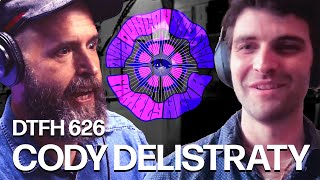 1h 21m⏭ 4
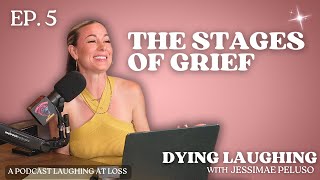 29m
29m 1h 57m
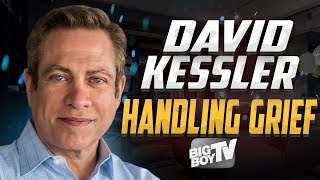 1h 6m⏭ 1
 2h 30m⏭ 1
 1h 32m
 1h 42m
 1h 49m⏭ 2
 1h 7m
1h 7m 1h 6m
1h 6m 11h 23m⏭ 1
 33m
33m 1h 0m⏭ 1
 46m
46m 3h 54m⏭ 7
 3h 59m⏭ 5
 1h 13m
 54m⏭ 1
 58m⏭ 5
 25m
25m 45m⏭ 2
 1h 16m⏭ 2