About this episodeJon Meacham discusses his biography of John Lewis, emphasizing how Lewis transformed the ideals of the Foundin…AI summary
Jon Meacham discusses his biography of John Lewis, emphasizing how Lewis transformed the ideals of the Founding Fathers into reality through nonviolent action and moral courage. The conversation highlights the strategic importance of nonviolence, the power of media in social change, and the enduring relevance of Lewis's message for modern activism and journalism.
Key takeaways 5
John Lewis is positioned as a founding figure of modern multi-ethnic America, comparable to Jefferson and Madison, because he insisted on making constitutional ideals real through action rather than just words.
Nonviolence was both a spiritual commitment rooted in Christianity and a practical survival strategy; activists could not take up arms against segregationists without being killed, so nonviolence became the only viable path to justice.
The media played a crucial role in the Civil Rights Movement by disseminating images of violence (like Emmett Till's lynching and Bull Connor's dogs) to the world, forcing the Kennedy administration to propose civil rights legislation.
Lewis's message is radical and revolutionary, challenging the existing order and calling for continuous justice, which risks being 'domesticated' or sanitized if viewed only as safe patriotism.
Journalism must distinguish between reporting truth and amplifying manufactured narratives; neutrality becomes complicity when it shields falsehoods from powerful figures.
Notable quotes 5AI-generated: wording and quote attribution may be wrong. Use the play link to verify.
“Where the founders articulated an ideal, John Lewis insisted that we make the ideal real.”
▶ 3:36Meacham explains why he compares John Lewis to the Founding Fathers, highlighting Lewis's focus on action over rhetoric.
“You have to do more than just not hit back; you have to have no desire to hit back. You have to love that person who's hitting you.”
▶ 14:33Describing the rigorous training in nonviolence taught by James Lawson to Nashville students.
“If you see something unjust, if you see something unfair, say something, do something.”
▶ 50:54Meacham reflecting on John Lewis's lifelong advice regarding civic engagement and moral responsibility.
“The danger... is I don't want to give the impression that as a white guy I just found the one black guy of whom we can approve.”
Meacham addressing the risk of sanitizing Lewis's radical message by framing him as merely a safe, palatable hero.
“We don't want to be patient. We want our freedom now. We don't want to be beaten by policemen. We don't want to go to jail anymore. We want our freedom.”
▶ 35:44Excerpt from John Lewis's 1963 March on Washington speech, showing its radical and urgent tone before edits were made.
Chapters & Sections (42)▼
0:00Social Justice and Racial Equality in Americachapter2
0:00Social Justice and Racial Equality in America
2:55John Lewis' Impact on American History and Politics
5:13Civil Rights Movement and Personal Transformationchapter2
5:13Childhood Influences on Civil Rights Leadership
7:32John Lewis' Life and Spiritual Transformation
9:46The Power of Media in Social Changechapter2
9:46The Power of Media in Social Change
12:30Nonviolent Resistance Tactics and Philosophy Development
14:44The Significance of Non-Violence in Social Movementschapter2
14:44The Significance of Non-Violence in Social Movements
16:22John Lewis's Early Non-Violent Protest Experiences
19:15Civil Rights Movement and Nonviolent Protest Strategieschapter2
19:15Civil Rights Movement: Nashville Sit-In Demonstrations
21:42The Nature of Sainthood and Human Perfection
23:42Radicalism in John Lewis's Message and Legacychapter2
23:42Radicalism in John Lewis's Message and Legacy
26:27Civil Rights Activism and Early Involvement
28:26The Freedom Rides and Desegregation Effortschapter2
28:26The Freedom Rides and Desegregation Efforts
31:20Bull Connor's Role in Civil Rights Era
32:47Birmingham Civil Rights Movement and Kennedy Administrationchapter2
32:47Birmingham Civil Rights Movement and Kennedy Administration
35:07Historical Context of Civil Rights Speeches
37:34Edmund Pettus Bridge March 1965 Incident Detailschapter2
37:34Edmund Pettus Bridge March 1965 Events
40:24Legacy of Civil Rights Activism and Leadership
43:16Legacy of Civil Rights Activism and Progresschapter3
43:16Legacy of Civil Rights Movement Activism
45:13The Power of American Progress and Change
46:35Patriotism and Civic Duty in American Politics
49:06Courage and Moral Responsibility in Public Lifechapter4
49:06Courage in Speaking Out Against Injustice
51:01Challenges of Fact-Checking in Modern Journalism
52:25Journalistic Neutrality vs Fact-Checking in Politics
53:56Journalistic Integrity in Reporting Truthful Information
56:01The Importance of Historical Reflection and Moral Choicechapter5
56:01Choosing Historical Role Models and Moral Leadership
59:02Implementing Good Trouble in Modern Society
1:00:28Navigating Hostile Environments for Free Expression
 1h 23m
 1h 9m
1h 9m 23m
23m 1h 9m
1h 9m 1h 7m
1h 7m 1h 16m
 1h 10m
 1h 2m
1h 2m 1h 28m
 1h 1m
1h 1m 1h 14m
 1h 30m
 2h 31m⏭ 6
 1h 43m
 1h 13m
 2h 45m⏭ 1
 1h 39m
 27m
27m 20m
20m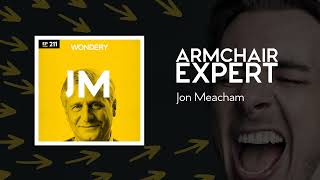 1h 39m
 1h 3m
1h 3m 2h 14m⏭ 1
 2h 48m⏭ 7
 2h 54m⏭ 1
 1h 0m⏭ 1
 33m
33m 46m
46m 3h 54m⏭ 7
 3h 59m⏭ 5
 1h 13m
 54m⏭ 1
 54m⏭ 2
 1h 26m
 45m⏭ 2
 58m⏭ 5
 25m
25m