About this episodeCongressman Roana discusses the bipartisan effort to release Epstein files, arguing that public pressure force…AI summary
Congressman Roana discusses the bipartisan effort to release Epstein files, arguing that public pressure forced the Trump administration to sign transparency legislation despite initial resistance. He outlines a political strategy of working across the aisle on specific issues like war powers and accountability while maintaining strict adherence to progressive values on social rights. Roana also addresses economic inequality, AI regulation, and the need for a renewed social contract that prioritizes working families over billionaire wealth.
Key takeaways 6
The Epstein Transparency Act was signed by Donald Trump, marking a rare instance of bipartisan success where public pressure overcame initial political resistance from the President.
Roana defines the 'Epstein Class' not merely by wealth, but by the use of privilege to defy or abuse the law, distinguishing them from public-spirited billionaires like Jensen Wong or Warren Buffett.
Roana advocates for a 'Singapore or Finnish model' for AI data centers, requiring companies to provide renewable energy, pay for electricity costs, use dry cooling to preserve water, and contribute to geothermal energy generation.
Roana proposes a targeted repeal of Section 230 protections specifically for algorithmically amplified violent content, aiming to disincentivize platforms from pushing extreme hate to vulnerable demographics.
Roana supports California's proposed one-time 5% levy on billionaires over five years, framing it as a necessary correction to a broken social contract to prevent 2 million people from losing healthcare.
Roana argues that Democrats should not be an 'anti-AI' party but an 'AI democratist' party, focusing on fixing the trust gap by regulating AI to ensure job security and societal benefit rather than just opposing the technology.
Notable quotes 5AI-generated: wording and quote attribution may be wrong. Use the play link to verify.
“It's not just the billionaires, it's a... they're extra there. They're billionaires who do extraordinary things for the world... It is the use of your money and privilege to defy the law, to abuse the law, to think you're above the law that uh is what enrages Americans.”
▶ 14:26Defining the 'Epstein Class' and distinguishing them from other wealthy individuals who contribute positively to society.
“I'm not an AI accelerationist... I'm not an AI doomer... I'm an AI democratist.”
▶ 19:46Describing his nuanced stance on Artificial Intelligence regulation and its societal impact.
“We have 19 trillionaires who have 12.5% of the GDP in terms of what they can buy. It's three times the Gilded Age in terms of their wealth relative to the size of the economy.”
▶ 18:36Highlighting the extreme level of wealth inequality in the United States.
“If I said, 'Okay, I'm not going to work with Thomas [Massie],' we would never get the Epstein files released. Marjorie Taylor Green, if she had not shown the courage that she did, she gave up her seat in Congress over this, we would not have gotten the files released.”
▶ 7:50Justifying his strategy of working with controversial political figures when there is common ground on specific issues.
“I'll stand with the kids who I grew up with in Bucks County, Pennsylvania, with working families, not with people in power.”
▶ 23:13Explaining his commitment to his constituents over tech donors following backlash against his billionaire tax proposal.
Chapters & Sections (40)▼
0:00The Epstein Files and Elite Accountabilitychapter2
0:40Accountability for the Wealthy and Powerful Elite
1:05The Epstein Files and Congressional Investigation
 54m⏭ 2
 52m⏭ 2
 21m
21m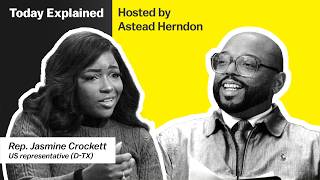 24m
24m 32m
32m 47m⏭ 2
 33m
33m 24m
24m 47m⏭ 4
 42m⏭ 3
 34m⏭ 1
 41m⏭ 1
 1h 51m⏭ 8
 1h 58m⏭ 3
 45m⏭ 2
 1h 55m⏭ 3
 1h 19m⏭ 3
 24m⏭ 1
 4h 55m
 4h 30m
 1h 23m
 3h 18m⏭ 2
 57m⏭ 1
 4h 34m
 1h 43m
 2h 59m⏭ 3
 39m
39m 21m
21m 1h 41m⏭ 3
 1h 14m⏭ 2
 1h 0m⏭ 1
 33m
33m 46m
46m 3h 59m⏭ 5
 3h 54m⏭ 7
 54m⏭ 1
 1h 13m
 54m⏭ 2
 1h 26m
 45m⏭ 2
 58m⏭ 5
 25m
25m