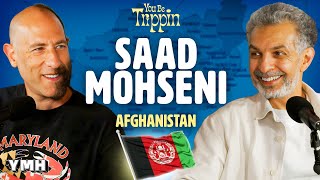
About this episodeThis video documents the critical role of Afghan women in peace negotiations, their subsequent exclusion and p…AI summary
This video documents the critical role of Afghan women in peace negotiations, their subsequent exclusion and persecution following the US withdrawal and Taliban takeover, and the ongoing resistance against systemic rights bans. It highlights the failure of international diplomacy to protect women's rights and the urgent need for sustained advocacy to prevent the erasure of two decades of progress.
Key takeaways 5
Women's inclusion in peace talks is non-negotiable for sustainable stability; Foy Kufi notes that without women's rights on the agenda, the Taliban will assume acceptance of their ideology.
The Taliban's definition of 'Islamic rights' is fundamentally incompatible with international standards, as evidenced by their systematic exclusion of women from education, work, and public spaces post-takeover.
The US withdrawal was executed without conditions or a meaningful political conversation, leading directly to the rapid collapse of the Afghan government and the immediate reinstatement of oppressive regimes.
Violence against women and minorities (such as the Hazara school bombing) is a deliberate strategy by the Taliban to instill fear and suppress education and public participation.
International bodies like the UN face a moral imperative to recognize only governments that respect human rights, rejecting double standards applied to Afghan women versus those in other nations.
Notable quotes 5AI-generated: wording and quote attribution may be wrong. Use the play link to verify.
“Peace is not a luxury. It's a necessity. And in a country that more than 42 years was in war, I think the time has come to have peace.”
▶ 16:30Spoken by a negotiator emphasizing that peace is a fundamental requirement for survival, not a privilege.
“If we don't talk about women's rights today, in the future, they'll say, 'It wasn't on your agenda.' The decisions must be in writing.”
▶ 25:14Foy Kufi explains the strategic necessity of keeping women's rights as a formal, documented part of any agreement to prevent future denial.
“They want to stop them getting an education. After this attack, the Hazara are afraid to go to school... They are targeting women who speak out or advocate for women's rights.”
▶ 30:05Describing the Taliban's tactic of using violence against schools and journalists to enforce silence and exclusion.
“What kind of jihad is that? It's clearly a war for power.”
▶ 36:36Foy Kufi criticizing the Taliban for killing fellow Muslims despite agreements with Americans, framing their actions as political rather than religious.
“We cannot say that women and human beings in your own countries deserve to live in respect and dignity but it's okay for women of Afghanistan to live in the situation that they are now.”
▶ 34:26A direct challenge to international hypocrisy regarding human rights standards.
Chapters & Sections (14)▼
0:11Afghan Women's Rights in Peace Talkschapter2
5:04Afghan Women's Peace Negotiation Delegation
7:07Human Rights Committee Consultations
10:44Afghan Women's Role in Taliban Peace Talkschapter2
 1h 27m
 42m
42m 52m⏭ 1
 29m
29m 27m
27m 29m
29m 1h 35m
 42m
42m 2h 13m⏭ 3
 2h 57m⏭ 3
 2h 2m⏭ 3
 1h 30m⏭ 1
 2h 3m⏭ 2
 1h 37m⏭ 4
 1h 8m⏭ 1
 1h 58m
 1h 11m
 59m
59m 2h 37m⏭ 1
 1h 31m
 11h 23m⏭ 1
 33m
33m 1h 0m⏭ 1
 46m
46m 48m⏭ 2
 3h 54m⏭ 7
 3h 59m⏭ 5
 1h 16m
 54m⏭ 1
 1h 13m
 38m
38m 54m⏭ 2