About this episodeTalib Kweli and Tef Poe discuss the spiritual and cultural weight of hip-hop, tracing Kweli's journey from ind…AI summary
Talib Kweli and Tef Poe discuss the spiritual and cultural weight of hip-hop, tracing Kweli's journey from independent record retail to becoming a conscious lyricist. The conversation highlights the importance of mental health vulnerability, the joy found in activism, and the reciprocal relationship between artists and their audience, while reflecting on key cultural moments like the Dream Defenders protest and the legacy of Nipsey Hussle.
Key takeaways 5
Kweli views the title 'KRS2' not just as a name but as a burden of responsibility to keep hip-hop's roots and knowledge alive as the culture ages.
Activism requires finding joy and humility to avoid narcissism; Kweli emphasizes that activists must exude peace and happiness because they are fighting for the pursuit of happiness.
The 'blog era' of hip-hop was characterized by a DIY consciousness and intellectual depth that operated independently of traditional industry gatekeepers, fostering artists like Mac Miller and Kweli himself.
Kweli's early career was shaped by working in independent record stores (VIP Record Stores), which provided a crash course in the music business and direct exposure to legendary artists before the digital streaming era.
Nipsey Hussle is described as the 'Hollywood Black Panther,' shifting West Coast culture by embodying revolutionary ideology and community ownership rather than just gang affiliation.
Notable quotes 5AI-generated: wording and quote attribution may be wrong. Use the play link to verify.
“We're not fighting for respectability politics to be buttoned up. We fighting for the right to have flaws and still be valuable and still have our lives mattering even though we're not perfect.”
Kweli discussing how hip-hop allows for vulnerability and human imperfection, contrasting it with the pressure to appear perfect.
“A big part of it is finding the joy and not just being upset because if you were just upset all the time... that's a clear path to narcissism if you're not careful.”
▶ 10:43Kweli explaining the necessity of joy in activism to maintain perspective and avoid ego.
“Hip-hop saved my life. Hip-hop put food on my table... It's like being the little big homie to remind them of Quali, to remind them of KRS1.”
▶ 6:02Kweli reflecting on his purpose to preserve the history and roots of hip-hop culture.
“We slept on the floor for this [__] man. We like come on. I hope you don't mind me sharing this part of the story... It's like this going viral [__] Like, no disrespect. Get yours.”
▶ 37:21Kweli emphasizing the hard work and lack of initial glamour in building a career in hip-hop, urging new artists to understand the grind.
“I'm not glorifying these things. When I talk about these things, I also have to talk about the consequence... I'm struggling with this [__] I know somebody else is too.”
▶ 1:00:04Kweli clarifying his approach to discussing addiction in his music, focusing on shared struggle rather than glorification.
Chapters & Sections (35)▼
0:00Receiving KRS-One's Blessing as KS2chapter1
1:47Expressing Fan Appreciation to KRS-One
4:50Hip-Hop's Role in Mental Health and Vulnerabilitychapter2
7:30Vulnerability and Humanity in Hip-Hop
8:51Emotional Intelligence and Male Vulnerability
10:14Finding Joy and Humility in Activismchapter1
12:17Handling Praise and Criticism with Humility
15:22Artist Listener Reciprocity and Hip Hop Inertiachapter1
17:23Hip Hop Inertia and No Formula
20:02Dream Defenders Protest and Blog Era Hip Hopchapter2
22:00Vibrate Higher Book and Blog Era Rap
23:12Golden Era Hip Hop and Education
25:10Hip-Hop Origins and Text Battlingchapter3
26:38Organic Hip-Hop Discovery and Early Tech
28:08Transitioning from Text Battles to Live Freestyles
30:32Supportive Teachers and Family in Hip-Hop Journey
34:32Music Career Evolution and Lorie Joe Tributechapter1
36:42Honoring JRock and Lorie Joe
39:36Burden of Truth and Nipsey Hussle's Legacychapter2
41:09Obligation and Dedication to Art
42:54West Coast Perspective on Christopher Dorner and Nipsey Hussle
46:30Black Panther Legacy and LA Hip Hop Unitychapter1
48:28Overcoming LA Gang Violence Through Hip Hop Unity
51:33Creating Third Eye Music with Cannabischapter2
53:10Sharing Esoteric Knowledge with Peers
54:54Organic Creation of Third Eye Song
56:47Addressing Addiction and Drug Acronym Meaningchapter1
59:22Clarifying Addiction Narratives and Consequences
1:01:53Vaping Struggles and Hip-Hop Lyricism Futurechapter2
1:03:14California Menthol Ban and Lyricism Future
1:04:50Preserving Hip-Hop Legacy and Lyricism
1:06:32Music Over Lyricism and Artistic Evolutionchapter1
1:09:05Jackson Pollock Art and Lyricism
1:11:19Malcolm X Autobiography Impact on Artistschapter1
 1h 16m
 2h 5m
2h 5m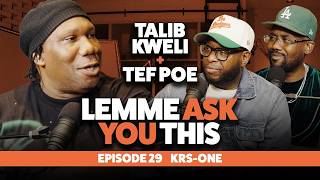 2h 5m
2h 5m 56m
56m 1h 12m⏭ 1
 2h 57m
 1h 8m
1h 8m 49m
49m 1h 53m
 54m
54m 1h 22m
 4h 20m
 2h 28m⏭ 4
 56m
56m 3h 49m
 1h 44m
 11h 23m⏭ 1
 1h 0m⏭ 1
 33m
33m 46m
46m 3h 54m⏭ 7
 3h 59m⏭ 5
 48m⏭ 2
 40m
40m 1h 13m
 38m
38m 54m⏭ 2
 54m⏭ 1