About this episodeThe conversation explores the psychological toll of long-term stand-up comedy, revealing how the performer's i…AI summary
The conversation explores the psychological toll of long-term stand-up comedy, revealing how the performer's identity becomes disconnected from his personal life and family. It contrasts the solitary, competitive nature of comedy with the need for genuine human connection, while also offering strategic advice on political persuasion and emotional monetization.
Key takeaways 5
Comedy is described as a 'base camp at Everest' where comedians are isolated climbers with no rope connecting them, highlighting the lack of true camaraderie in the industry.
Monetizing emotional vulnerability is a key strategy; the guest notes that sharing deep personal pain (like depression or family trauma) in stand-up is where 'the real money is.'
Political persuasion fails when leaders scold or shame people who have changed their minds; instead, welcoming them back ('Welcome. You were wrong. It's fine.') is more effective for gaining support.
The 'final act' of a career often involves shifting from fear-based motivation (supporting family, climbing the ladder) to aesthetic or creative fulfillment once financial security is achieved.
Performers often feel a dissonance between their stage persona (dominant, funny) and their desire for equal, authentic relationships with family, leading to feelings of guilt or disconnection.
Notable quotes 5AI-generated: wording and quote attribution may be wrong. Use the play link to verify.
“It's like base camp at Everest. It's just a bunch of people like when am I going up? When am I going up? Someone falls. Don't.”
Guest describing the competitive and isolating nature of the comedy club circuit.
“You cannot scold them. And liberals... they scolded me. That's the thing about my podcast... how do liberals win another election if they're going to yell at the people who are trying to be on their side?”
▶ 21:28Guest arguing that shaming political converts alienates potential allies and hurts electoral chances.
“That's where the real money is. It is like I find that with standup... I started talking about um like running away when I was a teenager and being beat by my father... it was like I just started kind of free flowing because I felt so comfortable.”
▶ 11:32Guest explaining that audiences respond positively and financially to raw, emotional honesty in comedy.
“I'm tired of being funny. It's the traveling. That sucks... I wish I could let go of that and just go there's a million comics wishing they were at this comedy club on the road right now making what I'm making.”
▶ 38:17Guest expressing burnout from the physical demands of touring despite financial success.
“I don't think you have to change. I think you have to change the way you're viewing your own life. It's literally what story are you telling yourself.”
▶ 1:07:50Guest referencing Adlerian psychology to suggest that reframing one's narrative is more powerful than trying to change past trauma.
Chapters & Sections (35)▼
0:09Humiliating Public Fall on the Beachchapter2
2:26Midlife Crisis and Seeking Meaningful Connection
4:40Boundaries in Therapy and Relationships
6:20Regretting Not Investing in Bitcoinchapter1
9:12Directing a Commercial with a Legendary DP
11:11The Art of Monetizing Emotional Experienceschapter2
13:40The Challenges of Touring and Mental Health
15:09The Struggles of Life on the Road
16:38Criticism of the Current US Administrationchapter1
18:52Congressional Inaction and the Impact on Local Business
21:11The Dangers of Scolding in Politicschapter1
23:22Criticism of Partisan Politics and Polarization
25:31Caregiving Responsibilities for Aging Parentschapter2
27:04The Challenges of Communicating with Older Generations
28:45Avoiding Information Overload and Caring Less
30:12Dealing with Sudden Loss and Family Traumachapter7
32:27The Power of Emotions in Family Dynamics
34:17Coming to Terms with Mortality and Time
35:42Acceptance of Aging and Mortality
36:56Navigating Midlife Career and Personal Expectations
38:17Struggling with Burnout in Comedy Career
39:49Maintaining Creativity and Purpose in a Career
41:35Finding one's creative purpose in life
43:49The Authenticity and Drive of Creative Pursuitschapter2
45:49The Nature of Addiction and Compulsive Behavior
47:28The Challenges of Comedy and Relationships
49:33The Significance of Celebrity and Legacychapter2
51:10Parental Love and Significance of Relationships
52:35The Pressure of Performing for an Audience
56:29Parental Relationships and Comedy Career Impactchapter1
58:38Comedian's Childhood and Parenting Experiences
1:00:44The Importance of Humor in Comedy Writingchapter3
1:03:15Comedy Career Highlights and Industry Insights
1:04:31The Evolution of Humor and Cultural Relevance
1:06:15The Power of Changing One's Perspective on Life
 1h 23m⏭ 1
 1h 23m⏭ 1
 1h 23m⏭ 1
 1h 20m
 1h 30m
 1h 19m⏭ 1
 1h 16m⏭ 1
 1h 16m⏭ 1
 1h 26m⏭ 2
 1h 25m⏭ 1
 1h 31m⏭ 1
 1h 23m⏭ 2
 1h 46m⏭ 3
 1h 23m⏭ 5
 17m
17m 1h 16m
 53m⏭ 1
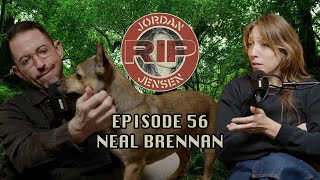 52m
52m 3h 17m
 2h 42m⏭ 5
 2h 30m
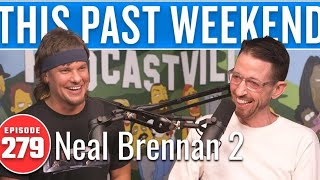 2h 7m⏭ 2
 1h 0m⏭ 1
 1h 37m⏭ 1
 1h 59m⏭ 1
 1h 29m⏭ 2
 1h 9m
1h 9m 1h 18m
 2h 52m⏭ 1
 1h 9m⏭ 1
 2h 48m⏭ 3
 1h 25m⏭ 1
 1h 4m⏭ 2
 56m
56m 3h 1m⏭ 1
 2h 49m⏭ 3
 1h 0m⏭ 1
 33m
33m 46m
46m 3h 54m⏭ 7
 3h 59m⏭ 5
 1h 13m
 54m⏭ 1
 54m⏭ 2
 1h 26m
 45m⏭ 2
 58m⏭ 5
 25m
25m