About this episodeThe discussion analyzes the Lindsay Clancy trial, focusing on defense attorney Kevin Readington's strategy reg…AI summary
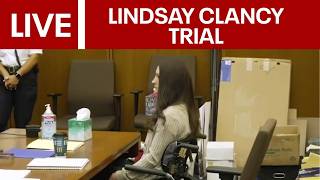
The discussion analyzes the Lindsay Clancy trial, focusing on defense attorney Kevin Readington's strategy regarding postpartum psychosis and the burden of proof in Massachusetts. Key themes include the failure of the mental health system to intervene, the strategic use of visual evidence by the defense, and the likelihood of a hung jury due to reasonable doubt.
Key takeaways 5
Legal Burden: In Massachusetts, the prosecution must prove beyond a reasonable doubt that the defendant was criminally sane at the time of the crime, shifting the burden away from the defense.
Mental Health System Failure: The guest highlights systemic failures where crisis hotlines required a specific 'plan' for suicide to offer help, and telemedicine providers failed to conduct in-person evaluations for a patient 40 minutes away.
Defense Strategy: Attorney Kevin Readington used physical props (poster boards, a bedside drawer) and charisma to create doubt, contrasting his compassionate approach with the prosecution's perceived coldness.
Evidence Gaps: Critical evidence like crushed pills in lemonade and items in Patrick Clancy's car were never forensically tested, leaving room for alternative explanations.
Jury Dynamics: The guest predicts a hung jury, citing the division among observers and the difficulty of proving sanity beyond a reasonable doubt given the medical history.
Notable quotes 4AI-generated: wording and quote attribution may be wrong. Use the play link to verify.
“You have to look like a zombie. You have to see unicorns in the corner. And you can't tell by looking at someone whether or not they're severely depressed. Many people mask their symptoms.”
▶ 4:31Critiquing the prosecution's argument that Lindsay Clancy appeared normal in public videos, highlighting how mental illness is often hidden.
“I submit to you that when you have a plan [to commit suicide], it's too late.”
▶ 9:57Explaining why crisis hotline protocols that require a specific plan are ineffective for preventing suicide attempts.
“Readington ate him alive... He just came off as someone who it just didn't look good. It was combative.”
▶ 11:12Describing how the defense attorney's charisma and cross-examination style negatively impacted an expert witness for the prosecution.
“She'll never have a life that's fulfilling. I mean, so either way... She'll go to a psychiatric institution until if and when a court ever determines she's not a danger.”
▶ 6:55Discussing the consequences if the jury finds her not criminally responsible, noting that institutionalization is still a severe outcome.
Chapters & Sections (11)▼
0:00Postpartum Psychosis and Burden of Proofchapter4
1:58Postpartum Psychosis and Legal Standards
3:24Mental Health Stigma and Masking
5:06Burden of Proof and Insanity Defense
6:55Patrick Clancy's Role and Medical Disputes
9:12Mental Health System Failures and Evidence Issueschapter1
10:48Cross Examination and Untested Evidence
14:10Jury Deliberations and Attorney Readington's Charismachapter3
 53m⏭ 2
 24m
24m 51m
51m 21m
21m 20m
20m 52m
52m 1h 12m⏭ 4
 18m
18m 29m
29m 21m
21m 17m
17m 15m
15m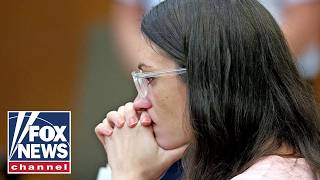 6h 22m
 11h 54m⏭ 8
 11h 54m
 51m⏭ 1
 3h 13m
 54m⏭ 3
 1h 1m⏭ 1
 1h 42m
 1h 28m⏭ 2
 59m
59m 29m⏭ 1
 1h 36m⏭ 2
 1h 0m⏭ 1
 33m
33m 46m
46m 3h 54m⏭ 7
 3h 59m⏭ 5
 1h 13m
 54m⏭ 1
 54m⏭ 2
 1h 26m
 45m⏭ 2
 58m⏭ 5
 25m
25m