About this episodeKid Capri reflects on his legendary performance at The Verses, emphasizing his philosophy of prioritizing audi…AI summary
Kid Capri reflects on his legendary performance at The Verses, emphasizing his philosophy of prioritizing audience experience over personal ego. He addresses industry dynamics, including his strategic decision-making regarding DJ collaborations with KRS-One and Big Daddy Kane, the historical context of hip-hop feuds, and the importance of respecting the mixtape culture he helped pioneer.
Key takeaways 5
Performance Philosophy: Capri approaches every show by imagining he is the fan who bought the ticket, asking himself what would make him want to return and hire the promoter again. This mindset ensures he consistently meets or exceeds audience expectations.
Strategic Career Moves: Capri declined initial offers from both Big Daddy Kane and KRS-One to be their DJ to maintain neutrality and avoid unwanted attention. He only accepted after securing Kane's blessing, demonstrating a preference for long-term strategic positioning over immediate gratification.
Mixtape Legacy: Capri corrects the narrative around mixtape origins, asserting that while Chance the Rapper's Grammy win was significant, he (Kid Capri) was the first to take mixtapes worldwide, predating DJ Drama and others who popularized the format later.
Professionalism in DJing: Capri outlines specific rules for club DJs: do not play the best record at 10:30 PM (to avoid shutting out the headlining act), do not try to out-DJ the current performer, and always respect the hierarchy to ensure future bookings.
Bronx Hip-Hop Recognition: Capri notes that while the Bronx is the birthplace of hip-hop, it receives less current recognition than Brooklyn due to a lack of sustained commercial relevance from older Bronx artists and a generational disconnect where younger artists feel detached from older legends.
Notable quotes 5AI-generated: wording and quote attribution may be wrong. Use the play link to verify.
“Whatever I do, I do is never about me. It's always bigger than me. It's always about trying to make people feel better than they did before they see me.”
▶ 1:21Kid Capri explaining his core philosophy for performing and connecting with audiences.
“I always treat myself as if I was looking at everything as the fan. If I was the one that bought the ticket, how do I want to feel about watching myself on stage?”
Describing his method for ensuring high-quality performances and repeat business.
“Sometimes taking things when it's the right time is the best thing. Sometimes you just can't take things because the opportunity is there. Strategically moving... when you do things strategically it works out longer.”
▶ 3:23Capri discussing his decision-making process regarding collaborations and career opportunities.
“Don't play the best record in the world at 10:30. Don't try to beat [the current DJ]. Do the principle because that'll eliminate you from getting any more work.”
▶ 10:02Advice on professional etiquette and survival strategies for DJs in club settings.
“I remember Chance the Rapper won the mixtape category... and I remember Chance shouted out DJ Drama... it's just a learnable moment. To most people, Kid Capri is the first to go worldwide... the first to put out mixtapes.”
▶ 7:19Correcting the historical record regarding who pioneered the global mixtape culture.
Chapters & Sections (51)▼
0:00King Capri's Emotional Performance and Gratitudechapter3
0:00Celebrity Congratulates King Capri on Epic Performance
0:52Hip-Hop Culture and Kid Capri's Impact
1:32Setting High Standards as a Performer
2:09Deciding on Collaborations and Attentionchapter2
2:09Decision Making Process for Collaboration
3:00Strategic Decision Making in a Digital Age
3:58KRS1 and Big Daddy Kane's Hip-Hop Feudchapter2
3:58Hip-Hop Beef Between KRS1 and Big Daddy Kane
4:56Rapper Thrown Off Stage in Competitive Hip-Hop Era
5:29Chris's Karate Incident at a Music Eventchapter2
5:29Confrontation at a Music Festival
6:13Chris's Past Collaborations and Events
6:49Discussion on Mixtape History and Recognitionchapter2
6:49Discussing Upcoming Video and Music Promotion
7:31Hip-Hop Mixtapes and Grammy Recognition
8:22Authenticity in Music and Inspirationchapter2
8:22Artist's Inspiration and Unique Style Emerges
9:10Artist Imitation and Originality
10:01DJ Advice and Hip-Hop Culture Appreciationchapter3
10:01DJ Club Etiquette and Professionalism
10:35Appreciation for B-Boy Community Representation
11:00Hip-Hop Culture and Authenticity
11:27Disagreement Between DJ Scratch and the World's Greatest DJchapter3
11:27Disagreement Between Friends and DJ Scratch
12:13Defending Title and Reputation as DJ
12:35Artist Defends Against Criticism and Backlash
13:09Defending One's Reputation in the Public Eyechapter2
13:09Confidence and Self-Perception in Performance
13:56Disagreement and Unprofessionalism in a Hip-Hop Context
14:41Hip-Hop's Origins and New York Boroughschapter2
14:41DJ's Making Wrong Decisions in the Moment
15:07Hip-Hop Origins in the Bronx
16:08Hip-Hop's Early Days and Legacychapter3
16:08Hip-Hop Origins in the Bronx and Brooklyn
16:45Disparities in Entrepreneurial Success and Respect
17:18Importance of Self-Promotion in Career
17:55The Bronx and Hip Hop Culturechapter3
17:55Disrespect in the Bronx Community
18:22Celebrity Tribute to Hip Hop Artist
19:08Pressure of Performing Live Music
19:40Jay-Z and Eminem's Legacy and New Projectschapter3
19:40Jay-Z and Kid Caprice Discuss Music Industry
20:20Artist Responds to Disrespect on the Radio
20:46Disparaging Advice to a Young DJ
21:37Artist Overcoming Creative and Industry Challengeschapter5
21:37Disagreement with Business Practices
22:18Hip-Hop Artists' Fear of Validation
22:44Artist's Creative Breakthrough and Productivity
 1h 19m
 49m
49m 58m
58m 43m
43m 39m
39m 54m
54m 39m
39m 36m
36m 46m
46m 36m⏭ 1
 30m
30m 29m
29m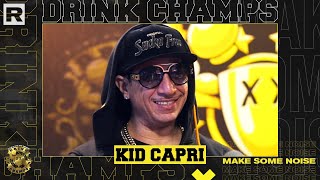 2h 35m
 1h 38m
 2h 21m
 1h 12m⏭ 1
 2h 57m
 1h 8m
1h 8m 1h 53m
 1h 22m
 4h 20m
 27m⏭ 1
 2h 1m
2h 1m 20m⏭ 1
 1h 32m⏭ 5
 1h 40m⏭ 7
 11h 23m⏭ 1
 33m
33m 1h 0m⏭ 1
 46m
46m 3h 54m⏭ 7
 3h 59m⏭ 5
 1h 13m
 54m⏭ 1
 58m⏭ 5
 25m
25m 45m⏭ 2
 1h 16m⏭ 2