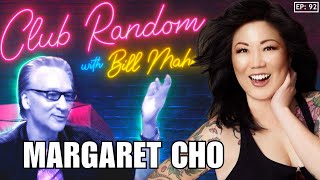
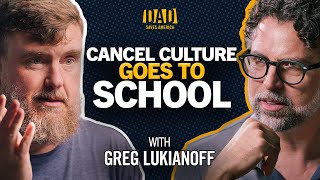
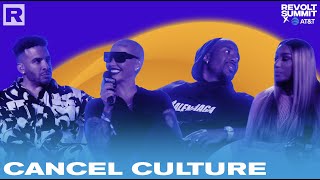
About this episodeMargaret Cho and Judy Gold discuss the complexities of cancel culture, arguing that while systemic issues like…AI summary
Margaret Cho and Judy Gold discuss the complexities of cancel culture, arguing that while systemic issues like racism should be addressed, the current climate often silences marginalized voices through performative outrage and rigid social media policing. They highlight how the pandemic has stalled comedic evolution and expose the industry's double standards regarding the objectification and ageism faced by female comedians compared to their male counterparts.
Key takeaways 6
Cancel culture acts as a 'temperature gauge' for societal sensitivity but is often weaponized by privileged groups to silence 'otherness' rather than foster genuine dialogue.
Comedy is a unique interactive art form where intent matters; unlike other media, comedians cannot be judged on a single joke without considering the context of live performance and audience interaction.
Female comedians face a paradoxical expectation to diffuse their sexuality or conform to non-threatening, masculinized personas (e.g., Ellen DeGeneres) to be accepted, whereas male attractiveness is rarely a liability.
The pandemic has created a 'stagnation' effect where comedians are 'encased in amber,' unable to refine their craft through live feedback, with only those in isolated markets like New Zealand continuing to evolve.
Comedy clubs often fail to curate shows thoughtfully, leading to mismatched lineups where female or minority comedians are forced to open for misogynistic or anti-gay performers, creating hostile environments.
Audiences often confuse the comedian's stage persona with their real-life identity, leading to inappropriate post-show interactions and a lack of distinction between 'the act' and the person.
Notable quotes 5AI-generated: wording and quote attribution may be wrong. Use the play link to verify.
“Jokes are powerful because you make people think but you make them laugh and they're more willing to hear what you have to say.”
Judy Gold explains the unique persuasive power of comedy as a tool for social change and understanding.
“Cis heterostrate male whiteness is somehow a post script for storytelling like that's the prerequisite for speaking.”
▶ 6:41Margaret Cho critiques the industry's assumption that white male perspectives are the default or neutral standpoint in comedy.
“We're all stuck like flies like we're just all and it's like we're all stuck like what is carbonite so we're just all so nobody can get better like we're all in the same situation.”
▶ 14:20Judy Gold describes the stagnation of the comedy industry during the pandemic, where no one could perform or improve their craft.
“You have to diffuse the bomb of my sexuality right or make it a parody... you can't actually be in the sexuality or it sort of it comes back to haunt you.”
Margaret Cho discusses the pressure on female comedians to neutralize their sexual identity to be taken seriously as artists.
“If everything is going to be a safe space then we're not going to grow and then we're not going to learn and it's not reality it's not the truth because if we don't grow we're always safe then we're really not going to grow.”
▶ 31:14Judy Gold argues against the concept of absolute safe spaces in comedy, suggesting that discomfort is necessary for artistic and personal evolution.
Chapters & Sections (33)▼
0:00Cancel Culture and Social Responsibilitychapter3
0:00Cancel Culture and Social Responsibility in Comedy
2:55The Power of Comedy as Social Unifier
4:35The Dangers of Offending as a Form of Suppression
6:35Free Speech and Comedy Censorshipchapter5
6:35Challenging Dominant Narratives and Free Speech
8:13Comedy as Interactive Art Form
9:43Double Standards in Cancel Culture
11:20The Evolution of Social Sensitivity and Cancel Culture
12:42Evolving Comedy in a Changing World
15:09The Impact of Stagnation on Creativitychapter3
15:09The Struggle of Creativity in a Stagnant World
16:42Comedians' Immune Systems and Germ Phobias
18:07Physical Hazards of Stand-up Comedy Performance
20:23Comedy Club Curation and Representation Issueschapter2
20:23Comedy Club Curation and Representation Issues
22:36Challenges in Male-Dominated Comedy Culture
24:41Objectification of Female Comedians in the Industrychapter3
24:41Navigating Sexuality in Public Performance Spaces
26:11Objectification of Women in Comedy Industry
27:46Ageism in Comedy and Free Speech
30:19Coddling and the Limitations of Safe Spaceschapter3
30:19Coddling and the Limitations of Safe Spaces
32:17Creating Safe Spaces in Comedy and Entertainment
33:30The Importance of Thoughtful and Respectful Comedy
35:50Power of Humor in Coping with Traumachapter1
35:50Power of Humor in Social Commentary
40:08Balancing Free Speech and Personal Boundarieschapter5
40:08Balancing Free Speech and Personal Boundaries
 1h 23m
 1h 9m
1h 9m 23m
23m 1h 9m
1h 9m 1h 7m
1h 7m 1h 16m
 1h 10m
 1h 2m
1h 2m 1h 28m
 1h 1m
1h 1m 1h 14m
 52m
52m 1h 13m
 1h 4m⏭ 1
 1h 22m⏭ 2
 1h 11m
 1h 16m⏭ 2
 59m
59m 51m
51m 1h 1m⏭ 1
 1h 9m⏭ 2
 20m
20m 1h 18m
 1h 1m⏭ 1
 1h 52m⏭ 2
 28m
28m 1h 7m
1h 7m 55m⏭ 1
 1h 33m
 1h 57m⏭ 1
 1h 8m⏭ 6
 35m
35m 1h 54m⏭ 2
 23m
23m 1h 0m⏭ 1
 33m
33m 46m
46m 3h 54m⏭ 7
 3h 59m⏭ 5
 54m⏭ 1
 1h 13m
 54m⏭ 2
 58m⏭ 5
 45m⏭ 2
 1h 16m⏭ 2
 1h 26m