Loading transcript...
Click for full transcript
Chapters & Sections (145)
▼
00:00
OpenAI's Model Specialization Strategy
00:23
Model Specialization and Fine-Tuning Techniques
00:56
OpenAI Developer Platform Overview and Features
01:33
Model Deployment and Fine-Tuning Strategies
02:07
Career Background at OpenAI and Open Door
02:37
Differences Between OpenAI and Open Door Operations
03:26
Model Pricing and Cost Optimization Strategies
03:53
Challenges of Scaling a Large User Base
04:24
Deep Technology Challenges in Large Companies
04:41
Model Specialization and Fine-Tuning Techniques
05:16
Early Days of OpenAI's Founding Team
05:35
Early Career and Education Background
06:30
Summer Internship Programs for College Students
07:08
Internship Experience at OpenAI
07:44
OpenAI's Original Team and Talent Acquisition
08:03
OpenAI's Hiring Process for New Graduates
08:25
OpenAI's Horizontal and Vertical Business Model
09:25
Balancing First-Party App and API Development
10:01
Scaling AI Models for Mass User Adoption
10:35
User Reach and Platform Expansion Strategies
11:12
Competitor Impact on Rapidly Growing Platforms
11:48
Tension Between Growth and AGI Development
12:12
Disintermediation Risks in API-Based Business Models
12:35
Model Abstraction and User Interface Challenges
13:18
Model Interchangeability in AI Systems
13:53
User Expectations and Product Design Evolution
14:22
Model Specialization and Fine-Tuning in AI
14:54
Model Retention and User Stickiness Factors
15:33
Model Specialization and Fine-Tuning Techniques
15:58
Model Specialization and Fine-Tuning Techniques
16:26
Model Specialization and Fine-Tuning Techniques
16:52
Model Specialization and Fine-Tuning Techniques
17:30
Evolution of AI Model Architecture Strategies
18:11
Evolution of AI Model Architecture and Specialization
18:46
Benefits of a Diverse AI Ecosystem
19:26
Model Customization and Fine-Tuning Strategies
19:54
Fine-Tuning AI Models for Product Specific Use Cases
20:34
Benefits of Fine-Tuning and Data Sharing Models
21:12
Customizing AI Models for Industry-Specific Needs
21:41
Model Fine-Tuning for Customization and Data Leverage
22:28
Model Deployment Strategies for Real-Time User Feedback
22:51
Fine-Tuning API for Real-Time Data Handling
23:12
Model Fine-Tuning and Specialization Techniques
23:42
Model Fine-Tuning and Data Access Strategies
24:18
Pricing Models for AI Data and Services
24:56
Limitations of Scaling Laws in AI Development
25:27
Model Specialization and Fine-Tuning Techniques
26:05
Model Retrieval and Fine-Tuning Techniques
26:31
Model Paradigm Shift in AI Development
26:54
Model Specialization and Fine-Tuning Techniques
27:18
Product vs API vs CLI Development Models
27:46
Defining Agents in AI Systems
28:05
Definition of AI Agents and Modality
28:29
Building Scalable APIs for Large User Bases
28:50
Agent Product Positioning and Pricing Strategies
29:32
OpenAI's AGI Company Business Model
30:00
Model Deployment Strategies for Different Product Interfaces
30:41
Token Laundering in AI Model Development
31:10
Model Specialization and Fine-Tuning Techniques
31:33
Rewriting AI Model Architecture for Scalability
31:59
Pricing Strategies for AI APIs and Products
32:36
Pricing Strategies for AI Usage
33:05
Scaling AI Models for Large User Bases
33:30
Managing API User Quotas and Overages
33:51
Challenges of Scaling Complex Systems
34:14
Pricing Strategies in Software Development
34:33
Challenges of Maintaining AI Infrastructure
35:01
Challenges of Outcome-Based Pricing for AI
35:42
Model Pricing Strategies and Usage Correlation
36:17
Pricing Models for AI Services
36:42
Open Source Strategy and Model Development
37:17
Open Source Model Development and Deployment
37:59
OpenAI's Ecosystem Growth and Model Development
38:41
Open Source AI Business Models and Cannibalization
39:06
Model Specialization and Fine-Tuning Techniques
39:22
Challenges of Scalable and Fast Inference Models
39:50
Challenges of Inference for Large Language Models
40:11
Model Verticalization for Product-Specific Applications
40:33
Model Specialization and Verticalization Techniques
41:12
Limitations of Open-Source AI Model Deployment
41:38
Differences Between Image and Text Model Development
41:57
Challenges of Model Training and Fine-Tuning
42:30
Challenges of Integrating Multiple AI Model Types
42:59
Model Specialization and Fine-Tuning Techniques
43:23
Infrastructure Separation in Large-Scale AI Systems
43:40
Model Specialization and Inference Stack Optimization
44:02
OpenAI's Image Generation and API Capabilities
45:00
API Infrastructure for Large-Scale User Bases
45:28
Evolution of AI Model Architecture and Deployment
46:03
Future of AI and Model Development
46:19
Practicality and Automation of Agent Tasks
46:37
Challenges of Instruction Following in AI Models
47:10
Reception and Feedback to AI Model Release
47:30
Low Code Development and Automation Practicality
47:54
Types of Work in Software Development
48:15
Standard Operating Procedures in Work Environments
48:42
The Importance of Operations in AI Development
49:08
Regulated Industries' Approach to AI Generated Content
49:46
Model Architecture and Response Generation Logic
50:13
Model Generation and NPC Logic Implementation
50:43
Constraining AI Behavior in Game Contexts
51:11
Conversational Logic in Video Game NPCs
51:53
Model-Based Customer Service Automation Techniques
52:22
Constraining AI Behavior for Specific Use Cases
52:42
Model Specialization and Fine-Tuning for Large-Scale Users
 56m
56m 1h 4m
1h 4m 50m
50m 58m
58m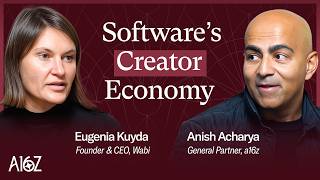 50m
50m 47m
47m 45m
45m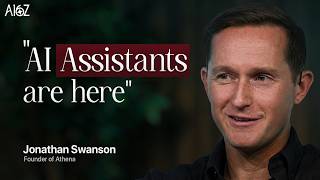 56m
56m 1h 8m
1h 8m 1h 3m
1h 3m 1h 3m
1h 3m 55m
55m 2h 53m⏭ 2
 1h 28m⏭ 1
 34m⏭ 1
 1h 58m
 39m⏭ 2
 1h 21m⏭ 4
 1h 8m⏭ 4
 32m⏭ 1
 1h 7m⏭ 2
 22m⏭ 2
 58m
58m 52m⏭ 3