About this episodeTim Robbins discusses his transition from New York to Los Angeles, the evolution of his career in theater and …AI summary
Tim Robbins discusses his transition from New York to Los Angeles, the evolution of his career in theater and film, and his commitment to socially conscious art. He highlights the importance of maintaining artistic integrity in an increasingly corporate media landscape and shares insights on using theater as a tool for rehabilitation and social change.
Key takeaways 5
Robbins moved to LA in 2002-2003 after living in New York his whole life, seeking a less taxing environment for his family while maintaining his artistic roots.
He emphasizes the value of early exposure to diverse and provocative art forms, such as the performance art group The Fuck You Cats, which shaped his understanding of freedom of expression.
Robbins criticizes the modern film industry's shift towards a bottom-line corporate mentality, contrasting it with the more risk-taking era of the 1970s when directors like Robert Altman were empowered.
His work with the Actors Gang focuses on repertory-style theater and prison workshops using commedia dell'arte techniques to help inmates develop empathy and avoid confrontation.
He believes that art has the power to shift paradigms and mobilize people, citing the impact of 'Dead Man Walking' on university debates about the death penalty.
Notable quotes 4AI-generated: wording and quote attribution may be wrong. Use the play link to verify.
“I don't judge a man on his first check-in. I judge him on his last check-out.”
Robbins reflects on the complexity of human nature and redemption, echoing Sister Helen Prejean's philosophy.
“It's not just about making money; it's about making a difference. If you're going to take a political path, keep the soul of an artist. If you're going to be an artist, be as relentlessly ambitious as a politician.”
Advice on balancing artistic integrity with political activism and professional drive.
“Theater can really shake things up and really change the way you look at life. It's what makes it all worth it.”
▶ 55:20Robbins' belief in the transformative power of live theater compared to other media.
Chapters & Sections (61)▼
0:06Leaving New York for a New Life in LAchapter6
0:06Moving to Los Angeles and Leaving New York
1:33Changing Times in New York City
3:10Growing Up in a High-Risk Urban Environment
4:31The Decline of Adult Entertainment in Manhattan
5:45Early Exposure to Off-Off-Broadway Theater Culture
7:21Early Life and Influences in the Arts
8:57Coming of Age in Bohemian Theater Culturechapter2
8:57Coming of Age in Bohemian Theater Culture
11:08Catholicism and Family Influences on Music
13:44Childhood Experiences with Corporal Punishmentchapter3
13:44Childhood Experiences with Corporal Punishment
15:27Early Life and Educational Background
16:58Emergence of Underground Art Scene in Los Angeles
18:39The State of Alternative Theatre in the 80schapter2
18:39Challenges of Emerging Theatre Companies
21:17Changing Nature of the Film Industry
22:46Challenges of Innovative Voices in Mainstream Mediachapter3
22:46Challenges of Innovative Voices in Film Industry
24:23The Value of Creative Freedom in Filmmaking
25:45Decline of Fair Compensation in the Film Industry
28:02Collaborative Film Direction and Collective Creativitychapter3
 1h 23m
 1h 9m
1h 9m 23m
23m 1h 9m
1h 9m 1h 7m
1h 7m 1h 16m
 1h 10m
 1h 2m
1h 2m 1h 28m
 1h 1m
1h 1m 1h 14m
 52m
52m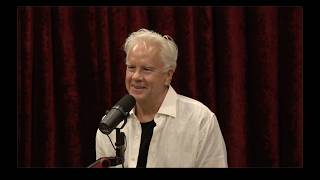

 1h 16m⏭ 4
 41m
41m 46m
46m 51m
51m 1h 16m⏭ 2
 21m
21m 1h 26m
 1h 40m
 3h 19m⏭ 1
 1h 55m
 1h 0m
1h 0m 1h 14m
 1h 0m⏭ 1
 11h 23m⏭ 1
 33m
33m 46m
46m 3h 54m⏭ 7
 3h 59m⏭ 5
 54m⏭ 1
 1h 13m
 58m⏭ 5
 25m
25m 45m⏭ 2
 1h 16m⏭ 2