About this episodeDefense attorney Kevin Readington moved to remove a single holdout juror in the Lindsay Clancy case after the …AI summary
Defense attorney Kevin Readington moved to remove a single holdout juror in the Lindsay Clancy case after the jury revealed an 11-1 split favoring acquittal, but Judge Sullivan denied the motion, likely leading to a mistrial. Legal expert David Yianetti analyzes the procedural impossibility of removing a dissenting juror for legal disagreement and predicts the prosecution will retry the case despite the strong defense position.
Key takeaways 4
Judges generally cannot remove a juror for refusing to follow legal instructions if that refusal is based on a good-faith interpretation of the evidence; removal is typically reserved for personal distractions or inability to deliberate.
The prosecution (Commonwealth) is unlikely to dismiss the case given the resources invested and the belief that the holdout juror is preventing a guilty verdict, making a retrial highly probable.
Defense strategy may shift in a retrial; while Readington hinted at 'false memories' and criticized police investigation quality, he may revert to a pure reasonable doubt defense similar to his successful Karen Reed second trial strategy.
Massachusetts State Police face significant public and legal criticism for perceived lack of thoroughness in high-profile cases, though Yianetti notes this does not represent all investigators.
Notable quotes 3AI-generated: wording and quote attribution may be wrong. Use the play link to verify.
“It is fraught with danger to start picking out jurors out of a jury box and say, 'You know what? You can't play with your fellow jurors. You don't agree with them, so we're getting rid of you.' Doesn't happen.”
Yianetti explains why the judge denied Readington's motion to replace the holdout juror, citing legal precedent and the sanctity of jury deliberations.
“I think the jury did reveal, very likely did reveal the makeup of the jury when they said that 11 of us are in agreement and one person will not abide by the reasonable doubt instruction.”
▶ 7:26Yianetti confirms that the jury note effectively disclosed an 11-1 split in favor of not guilty, which Readington used to argue for juror removal.
“We retreated in the second trial... we don't have to prove anything and relied on reasonable doubt. Introduced the same evidence but focus more on the standard and that proved to be more effective.”
▶ 19:06Yianetti references his experience with the Karen Reed case as a model for how defense teams can adjust strategy after a hung jury.
Chapters & Sections (13)▼
0:03Juror Removal Motion and Jury Instructionschapter2
2:28Judge Defends Jury Inquiry Procedure
4:43Jury Sent Home for Deliberation
6:14Jury Deadlock and Potential Mistrial Analysischapter2
8:28Juror Holdout Analysis and Mistrial Likelihood
11:20Juror Identity and Retry Decision
13:52Retrial Strategy and Defense Shiftschapter2
15:56False Memories Defense Strategy
17:33Defense Strategy Shifts and Mistrial Impact
20:22Juror Holdout and Massachusetts Police Criticismchapter3
 53m⏭ 2
 24m
24m 51m
51m 21m
21m 20m
20m 52m
52m 1h 12m⏭ 4
 29m
29m 21m
21m 18m
18m 17m
17m 15m
15m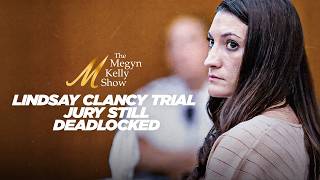 1h 29m
 1h 51m⏭ 1
 1h 1m
1h 1m 38m
38m 3h 4m
3h 4m 4h 4m
4h 4m 11h 54m
 53m⏭ 2
 44m⏭ 1
 44m⏭ 1
 2h 23m
 3h 59m⏭ 5
 11h 23m⏭ 1
 33m
33m 1h 0m⏭ 1
 46m
46m 48m⏭ 2
 3h 54m⏭ 7
 3h 59m⏭ 5
 1h 13m
 38m
38m 1h 16m
 54m⏭ 2
 54m⏭ 1