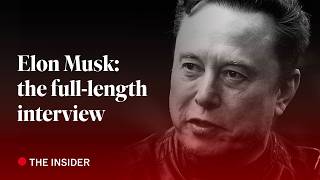
About this episodeThe guest predicts AI will exceed human intelligence within five years, leading to an age of abundance rather …AI summary
The guest predicts AI will exceed human intelligence within five years, leading to an age of abundance rather than doom, as the momentum of AI development is viewed as inevitable. He advocates for a pragmatic approach where competitors monitor each other's models for safety risks and report them to the government, rather than relying solely on external regulation.
Key takeaways 5
AI is predicted to exceed the sum of human intelligence in approximately five years, making it unlikely humans will remain in control, analogous to the intelligence gap between humans and chimpanzees.
The most likely outcome of advanced AI is an 'age of amazing abundance' where anyone can have anything they can think of, barring catastrophic events like global war.
The guest has shifted from a worried stance to a philosophical acceptance, believing that stopping AI is impossible and that the 'inexorable progress' should be embraced for the potential benefits.
Government regulators lack the deep technical understanding required to judge AI releases; therefore, competitors are better positioned to identify security risks in new models.
Personal vitriol between AI leaders (e.g., Sam Altman, Dario Amodei) does not preclude necessary cooperation on safety issues when the stakes involve the future of humanity.
Notable quotes 4AI-generated: wording and quote attribution may be wrong. Use the play link to verify.
“The most likely outcome is an age of amazing abundance where anyone can have anything they can think of.”
▶ 0:25Describing the optimistic future scenario if AI development continues without catastrophic derailment.
“If the difference in intelligence between AI and humans is vastly greater than the difference in intelligence between AI and chimpanzees, it's hard to imagine that the chimpanzees would be in charge.”
▶ 1:20Explaining why humans will likely lose control over superintelligent AI systems.
“The road to hell is mostly paved with bad intentions. There are a few well-intentioned paving stones in there, so we don't want to be complacent.”
▶ 10:10Cauting against complacency despite the generally good intentions of AI developers.
“Competitors can keep each other honest... if there's something that was worrisome and that company was not doing anything to address that risk, then that would be the moment for government to step in.”
Proposing a self-regulatory mechanism where rival companies audit each other's models for safety before release.
Chapters & Sections (6)▼
0:00AI Inevitability and Future Abundancechapter5
2:03AI Inevitability and Human Abundance
3:30AI Acceleration and Risk Minimization
5:22Competitor Oversight for AI Safety
7:09Urgent AI Safety Governance Proposal
8:28Competitor Security Checks and Personal Rivalries

 2h 54m⏭ 1
 1h 37m⏭ 3
 52m⏭ 3
 1h 15m⏭ 2
 2h 23m
 5h 14m⏭ 1
 3h 18m
 2h 22m⏭ 4
 1h 21m⏭ 5
 2h 1m⏭ 4
 2h 17m
 2h 34m⏭ 3
 1h 43m⏭ 4
 11h 54m
 1h 0m⏭ 1
 11h 54m⏭ 8
 6h 26m
 3h 59m⏭ 5
 33m
33m 3h 54m⏭ 7
 9h 11m
 5h 27m
 3h 15m⏭ 1
 7h 50m