About this episodeJohn Cleese and Judd Apatow discuss the mechanics of creativity, emphasizing the distinction between the 'ordi…AI summary
John Cleese and Judd Apatow discuss the mechanics of creativity, emphasizing the distinction between the 'ordinary mode' (left-brain, critical) and 'creative mode' (right-brain, playful). Cleese argues that effective creativity requires eliminating interruptions to allow the unconscious mind to work, utilizing boredom and playfulness to generate ideas without self-judgment.
Key takeaways 6
The Creative Process is a two-stage cycle: First, enter a quiet state to let the mind settle (shifting from left-brain agitation to right-brain flow), then later engage the critical left-brain to edit and refine the output.
Interruptions are the primary enemy of creativity; research cited suggests it takes 12-20 minutes to return to a fully creative state after a distraction like checking a phone.
Playfulness is essential for creativity; Cleese references psychologist McKinnon's study showing creative architects could 'play' while non-creative ones could not, and historian Huizinga's concept of 'Homo Ludens' (Man Playing).
Boredom is a necessary catalyst for idea generation; Cleese recounts writing a major plot fix while locked out and bored in a hallway, and notes that Alan Ayckbourn writes plays in three days because he has been thinking about them for 362 days.
The 'Vomit Draft' technique involves writing fast without judgment to bypass the inner critic, then switching to critical thought later to extract value from the raw material.
Comedy serves an evolutionary purpose by relaxing the brain after stress, moving it from the tense left-brain state to the relaxed right-brain state, which is why audiences in high-stress environments (like besieged Sarajevo) found comfort in Monty Python.
Notable quotes 5AI-generated: wording and quote attribution may be wrong. Use the play link to verify.
“The problem with the unconscious is that it's extraordinary what it can do but you can't order it about you can't hit it with a stick you have to discover how to kind of coax it.”
▶ 2:30Cleese explains why forcing creativity fails and why allowing the unconscious mind to work during periods of rest or boredom is essential.
“So much of being in play is to tell that voice [the inner critic] to shut the hell up and have fun.”
▶ 6:24Cleese describes the necessity of silencing the critical inner voice during the initial idea generation phase to allow for uninhibited creativity.
“If you follow basically the simple stages in the book you will have ideas but some of them will be terrible and some of them will be okay and one or two will be really good.”
▶ 10:17Cleese advises accepting that most ideas will be bad as part of the process, emphasizing volume and iteration over immediate perfection.
“You can only play in what he called a child-like way if that play was separate from ordinary life... children don't have to think of things that they have to do or responsibilities they can just play.”
▶ 5:29Cleese explains that true creative play requires a space free from responsibilities and consequences, similar to how children play when parents are 'minding the shop'.
“The purpose of laughter from an evolutionary point of view is to relax us after stress... if we laugh it simply moves us to the right brain where there's relaxation and a sense of meaning of life.”
▶ 44:33Cleese connects comedy to psychological relief, explaining why humor helps people cope with trauma and stress by shifting brain states.
Chapters & Sections (49)▼
0:00The Power of Creativity and Inspirationchapter5
0:00The Power of Creativity and Inspiration
2:16Unlocking the Power of the Unconscious Mind
3:54The Role of Play in Creative Processes
5:29The Importance of Play in Creative Development
6:48Overcoming Creative Blocks through Meditation and Mindset
8:28Overcoming Creative Blocks and Developing Writing Habitschapter4
8:28Overcoming Creative Blocks and Self-Doubt
10:28Creative Writing Process and Productivity Techniques
12:07Brain Hemispheres and Creative Process Interaction
13:21Creating a Quiet Space for Creative Thinking
14:47The Creative Process and Idea Generationchapter4
14:47The Creative Process and Inspiration
16:42The Power of Unconscious Creative Thinking
18:30Accessing the Unconscious Mind and Creative Intelligence
20:15Synchronicity and Creative Inspiration
21:42Creative Process and Inspiration from Unconscious Mindchapter2
21:42The Role of Unconscious Inspiration in Creativity
23:41Personal Anecdotes about Monty Python and Graham Chapman
25:56The Power of Unpredictability in Creative Processchapter4
25:56The Power of Unpredictable Creative Expression
27:27Comedy Writing Process and Creative Problem-Solving
29:35The Importance of Creative Freedom in Artistic Process
30:52The Importance of Creative Time and Pressure Management
32:05Reunion Concerts and Collaborative Comedy Experiencechapter3
32:05Reunion Concerts and Overcoming Financial Troubles
33:42Collaboration and Group Dynamics in Comedy
35:10The Creative Freedom of Unconventional Commissioning
37:09Reunion Concerts and Personal Growthchapter3
37:09Reunion Concerts and Personal Growth
38:49Impact of Self-Help on Personal Lives
40:00The Power of Emotional Expression and Humor
41:41Power of Comedy in Times of Crisischapter2
41:41Power of Comedy in Times of Crisis
43:32The Evolutionary Purpose of Laughter and Comedy
45:50Censorship and PC Culture in Comedychapter2
45:50Censorship and PC Culture in Comedy
48:08Importance of Imperfect Characters in Comedy
50:16Overcoming Anxiety and Embracing Imperfectionchapter3
50:16Overcoming Anxiety and Finding Life Perspective
52:11Embracing Imperfection and Authenticity in Life
53:20Cross-Cultural Conversations and Life Experiences
55:11The Importance of Pets in Family Bondingchapter2
55:11The Importance of Pets in Family Bonding
57:14Creative Genius and Idea Presentation
1:00:16Maintaining Creativity During Challenging Timeschapter3
1:00:16Maintaining Creativity During Challenging Times
1:01:44Separating Art from Artist in Cancel Culture
1:03:25Overcoming Creative Blocks and Writer's Block
 1h 23m
 1h 7m
1h 7m 1h 9m
1h 9m 23m
23m 1h 9m
1h 9m 1h 16m
 1h 28m
 1h 10m
 1h 2m
1h 2m 1h 1m
1h 1m 1h 14m
 52m
52m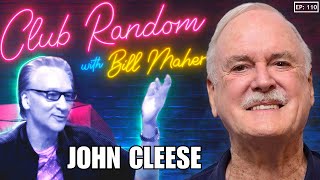
 1h 59m⏭ 1
 1h 29m⏭ 2
 1h 9m
1h 9m 1h 18m
 2h 52m⏭ 1
 1h 9m⏭ 1
 1h 25m⏭ 1
 1h 14m
 3h 23m⏭ 3
 2h 51m
 37m⏭ 1
 2h 32m⏭ 2
 1h 43m⏭ 4
 11h 54m
 11h 54m⏭ 8
 1h 0m⏭ 1
 33m
33m 6h 26m
 9h 11m
 3h 54m⏭ 7
 3h 59m⏭ 5
 46m
46m 54m⏭ 1
 54m⏭ 2