About this episodeJason Blum shares the evolution of Blumhouse from his early sales-driven career to becoming a studio powerhous…AI summary
Jason Blum shares the evolution of Blumhouse from his early sales-driven career to becoming a studio powerhouse by leveraging low-budget horror with high creative freedom. He details specific strategies for securing distribution, managing creator relationships, and navigating industry shifts, emphasizing that horror is the most viable genre for theatrical success and that trusting creators often yields better results than traditional studio interference.
Key takeaways 6
Blumhouse's core model involves making fully independent movies with low budgets and short schedules, then securing studio distribution, a strategy that works best in the horror genre due to its commercial viability.
The success of Paranormal Activity was secured by convincing the original creator to accept a deal where Blumhouse only took a percentage after $500k in revenue, allowing them to push for a theatrical release instead of straight-to-DVD.
Five Nights at Freddy's succeeded because creator Scott Cawthon financed the film to maintain control, ensuring the movie catered specifically to existing fans rather than trying to expand the audience, which Blumhouse notes usually fails.
Blum believes horror and comedy are 'cousins' because both rely on precise timing to elicit vocal audience reactions (laughter or screams), making directors with comedic backgrounds effective at horror if they understand storytelling.
Young filmmakers are increasingly choosing horror for theatrical releases because it offers a path to big-screen visibility and cultural impact when prestige indie dramas struggle in the current distribution landscape.
Blum advises new producers to engage with AI companies immediately, predicting that AI will be integrated into every movie within 12-18 months, though he doubts AI will replace human-made films entirely.
Notable quotes 5AI-generated: wording and quote attribution may be wrong. Use the play link to verify.
“I never take money upfront, I only take money if the movie makes money. And that has a wonderful positive effect... You don't have to listen to the guy giving you the money so much.”
Explaining Blumhouse's financial model that grants filmmakers creative freedom by aligning incentives.
“If you want to do it [invest in movies] is like giving money to a museum to support art... if you ever think you're going to get money back you won't or buy a lottery ticket it's the same same same chances.”
▶ 31:26Blum's candid advice on the financial risks of financing films, shared during the Five Nights at Freddy's production.
“Mostly you try to expand the audience, you lose both. You lose the fans and it doesn't expand.”
▶ 36:16Blum explaining why Five Nights at Freddy's succeeded by focusing on the core fanbase rather than broadening appeal.
“Horror movies as you know are really the scares only work if the drama and the writing works... You don't if if you're not involved and engaged in the storytelling, the movie the best jump scare in the world doesn't work.”
▶ 49:45Blum's philosophy on why he hires non-horror directors like David Gordon Green and Jordan Peele.
“The future of movies is AI... AI is going to be used in movie making in every movie we see in 12 to 18 months so that's the future of movies.”
▶ 1:00:44Blum's prediction on the immediate integration of AI in film production for new producers.
Chapters & Sections (49)▼
0:00Early Life and Career in Film Productionchapter4
0:00The Early Life and Career of a Film Producer
1:42Starting a Theater Company and Overcoming Challenges
3:02Early Career Experiences in Sales and Acting
4:18Commission-Based Sales and Entrepreneurial Mindset
6:17Raising Funds for a Movie Projectchapter3
6:17Personal Connection to a Hollywood Star
7:51The Power of Marketing and Networking in Film
9:18Industry Challenges and Career Ambitions
10:40Challenges of Studio Movie Production and Distributionchapter2
10:40Challenges of Studio Movie Production and Distribution
12:51Blumhouse Independent Film Production Model
15:00Securing a Deal for Paranormal Activitychapter2
15:00Securing a Deal for Paranormal Activity
17:54Remaking Paranormal Activity with Famous Actors
20:24Challenges of Releasing a Horror Moviechapter2
20:24Challenges of Releasing a Horror Movie Franchise
22:06Overcoming Failure in the Entertainment Industry
24:56Overcoming Professional Pressure and Emotional Attachmentchapter3
24:56Overcoming Unhealthy Competition in the Film Industry
26:37Box Office Performance and Movie Industry Trends
27:57Development of Five Nights at Freddy's Movie
31:14Challenges of Financing a Movie Productionchapter2
31:14Risks and Rewards of Investing in Film Productions
33:08Challenges in Script Development and Financing
35:40Challenges of Expanding Fanbase in Hollywoodchapter2
35:40Challenges of Expanding Fanbase in Hollywood
38:02Decision Making Process for Movie Release Strategy
39:41Day and Date Movie Release Strategieschapter2
39:41Day and Date Movie Release Strategies
41:39Creative Control in Film Production
43:47Securing the Rights to a Classic Horror Franchisechapter3
43:47Securing and Collaborating on Intellectual Property Rights
45:12Pitching a Film Collaboration to a Director
46:28Collaboration and Partnership in Film Productions
48:34Heroism During the Paradise California Wildfirechapter3
48:34Heroism During the Paradise California Wildfire
50:34Cross-Genre Collaboration in Horror Film
51:57Crafting Effective Jump Scares in Horror Movies
53:31Future Plans for the Saw Franchisechapter2
53:31Future Plans for the Saw Franchise
56:35Childhood Influence on Artistic Appreciation and Career
57:55Challenges of Publishing and Producing Horror Contentchapter2
57:55Challenges of Publishing and Producing Horror Content
1:00:16Future of Film Production in the AI Era
1:02:15Shift in Filmmaker Preferences and Industry Trendschapter3
1:02:15Shift in Filmmaker Preferences and Industry Trends
1:04:02Lessons Learned from Early Career Experiences
 1h 23m
 1h 9m
1h 9m 23m
23m 1h 9m
1h 9m 1h 7m
1h 7m 1h 16m
 1h 10m
 1h 2m
1h 2m 1h 28m
 1h 1m
1h 1m 1h 14m
 52m
52m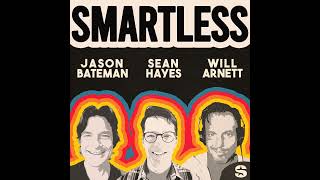
 1h 20m
 2h 54m⏭ 3
 2h 12m
 1h 53m
 1h 49m⏭ 2
 1h 2m⏭ 3
 1h 32m
 1h 30m
 4h 49m
 2h 41m⏭ 1
 2h 22m
 3h 18m
 1h 0m⏭ 1
 11h 23m⏭ 1
 33m
33m 46m
46m 3h 54m⏭ 7
 3h 59m⏭ 5
 54m⏭ 1
 1h 13m
 58m⏭ 5
 25m
25m 45m⏭ 2
 1h 16m⏭ 2