About this episodeJason Wilson discusses his book 'The Man the Moment Demands,' advocating for 'comprehensive manhood' that inte…AI summary
Jason Wilson discusses his book 'The Man the Moment Demands,' advocating for 'comprehensive manhood' that integrates emotional expression with traditional masculine traits. He highlights the dangers of emotional repression in Black men, citing high suicide rates and the need to break cycles of intergenerational trauma through vulnerability and therapy.
Key takeaways 5
The concept of 'Comprehensive Manhood' challenges the binary view of masculinity, arguing that traits like nurturing and emotional expression are not feminine but essential for a complete human experience, similar to how Samurai were both warriors and poets.
Emotional repression leads to 'emotional incarceration,' where men use anger or silence as a facade; this is linked to men dying four times more likely than women by suicide.
The 'Crayon Analogy' illustrates that while women may have access to a full spectrum of emotions (64 crayons), men are often conditioned to use only a few (8 crayons, primarily anger and frustration), leading to communication breakdowns.
Intergenerational trauma can be broken by intergenerational healing, which requires men to first process their own pain and trauma rather than passing it down or masking it with stoicism.
The 'Imbalanced Life' principle suggests prioritizing one core area (e.g., family or faith) above all else, rather than trying to maintain a perfect balance across all life domains, which often leads to neglecting the most important aspects.
Notable quotes 5AI-generated: wording and quote attribution may be wrong. Use the play link to verify.
“A thug is a traumatized human unable to grieve.”
Wilson explains the acronym THUG to reframe aggressive behavior as a symptom of unprocessed trauma rather than inherent evil.
“Stop expecting someone to apologize for punching you in a metaphorical sense.”
▶ 1:18An excerpt from his book advising against waiting for remorse from those who intentionally wound you, as it is often unrealistic and unproductive.
“Big Boys Don't Cry... actually Dr William Frey discovered... tears not only contain 98% water but also stress hormones when they get excreted from the body which is why we feel better feel so great when we cry.”
▶ 11:56Wilson uses scientific evidence to counter the cultural mantra that crying is weak, framing it as a biological release mechanism.
“You're not tired of living you're tired of not living.”
▶ 12:56A key insight distinguishing between physical exhaustion from overwork and existential dissatisfaction from lacking purpose and emotional connection.
“Nurturing is not an exclusive characteristic or attribute to women... it's ours as well.”
▶ 15:12Wilson argues against gendered limitations on human traits, citing historical examples like Samurai who valued poetry and farming alongside combat.
Chapters & Sections (35)▼
0:00Celebrating Jason Wilson's Book and Contributionschapter3
0:00Gratitude and Appreciation for Community Contributions
1:49Jason Wilson Discusses Hip-Hop Culture
3:13Hip Hop Culture and Trauma
5:30Overcoming Emotional Repression in the Black Communitychapter2
5:30Overcoming Emotional Repression in the Hip-Hop Culture
7:31Artist's Journey with Faith and Identity
10:32Breaking Down Masculine Emotional Expression Barrierschapter3
10:32Breaking Down Masculine Emotional Expression Barriers
12:49Breaking Free from Toxic Masculinity Expectations
14:26Breaking Traditional Masculinity Stereotypes
15:36Importance of Partnership in Marriagechapter2
15:36Importance of Partnership in Marriage
19:08Overcoming Setbacks and Being a Better Father
21:08Jason Wilson's Personal Journey and Family Reflectionschapter3
21:08Jason Wilson's Personal Journey and Life Lessons
22:38Jay Diller's Sampling Advice and Influence
24:02Overcoming Musical and Generational Barriers
25:57Effective Mentoring for Young Boyschapter2
25:57Effective Mentoring for Young Boys
27:36Overcoming Intergenerational Trauma through Martial Arts
30:17Embracing Emotional Vulnerability as a Manchapter3
30:17Emotional Maturity and Vulnerability in Men
32:10Overcoming Trauma and Embracing Authenticity
33:45Struggling to Communicate with Emotionally Closed Partner
35:33Emotional Incarceration of Men in Societychapter3
35:33Men's Emotional Repression and Trauma
37:00Empathy and Communication in Relationships
38:26Supporting Men Through Trauma and Healing
40:07Discussion about Track Meet and Personal Lifechapter5
40:07Track Meet Invitation and Personal Life Discussion
43:02Relationship Advice and Self-Love Importance
44:30Self-Value and Intimacy with Non-Comprehensive Men
45:57Gratitude and Importance of Setting Boundaries
47:11Living an Imbalanced Life for Spiritual Growth
 1h 19m
 49m
49m 58m
58m 43m
43m 39m
39m 54m
54m 39m
39m 46m
46m 36m
36m 36m⏭ 1
 30m
30m 29m
29m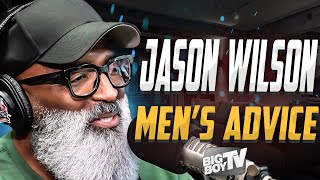
 2h 10m
 4h 5m⏭ 4
 2h 18m⏭ 3
 2h 24m⏭ 3
 1h 24m
 1h 37m
 29m
29m 1h 23m
 1h 25m⏭ 1
 2h 39m⏭ 3
 1h 52m⏭ 2
 1h 3m⏭ 2
 1h 0m⏭ 1
 33m
33m 3h 59m⏭ 5
 46m
46m 3h 54m⏭ 7
 54m⏭ 1
 1h 13m
 9h 11m
 1h 26m
 54m⏭ 2
 6h 26m
 58m⏭ 5